Element Gaps: What Your Chart’s Quietest Element Reveals
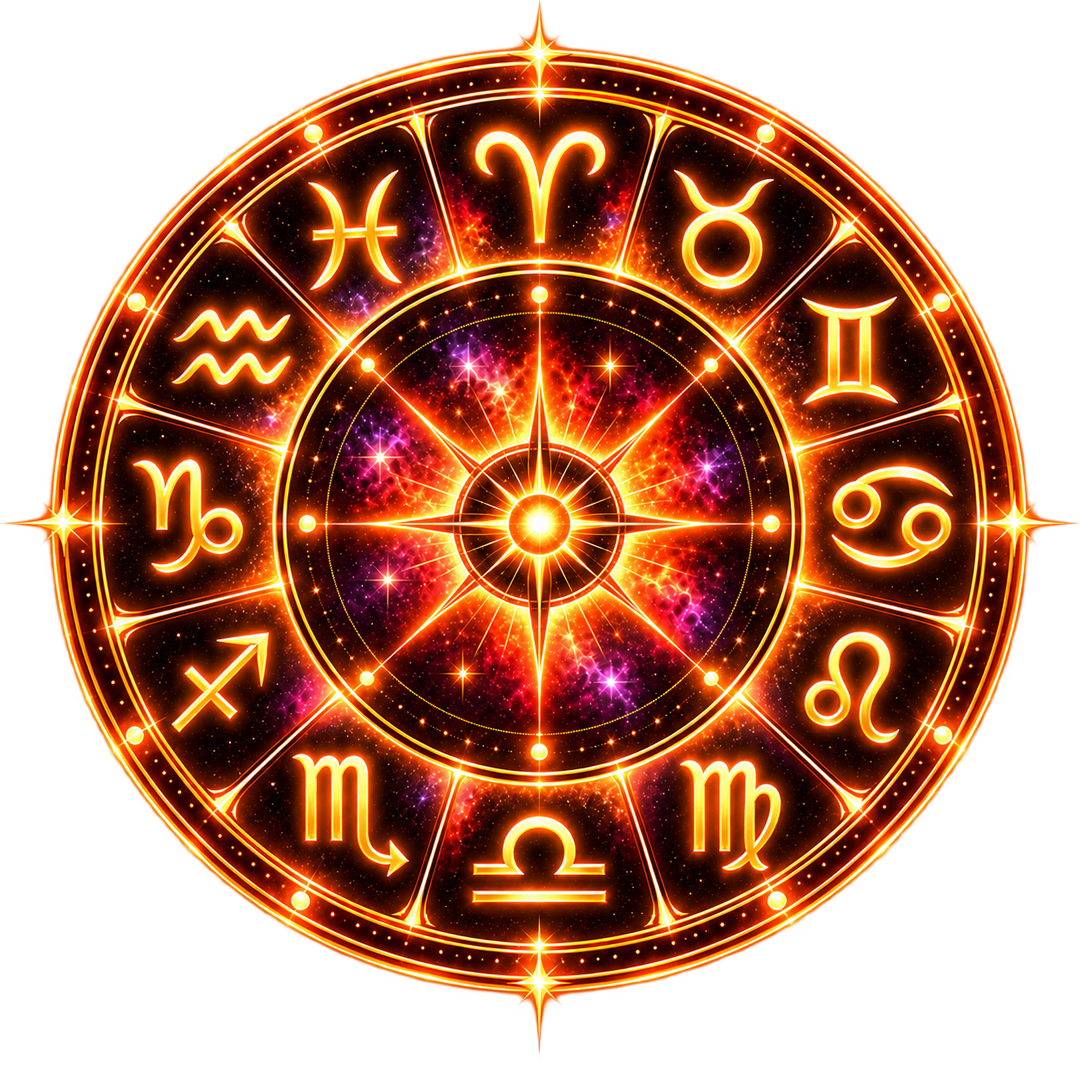
Astrology divides the twelve signs into four elements: fire, earth, air and water. Most people learn their Sun sign’s element and stop there. Count the elements across a whole chart, though, and a more interesting picture emerges — not just which element dominates, but which one is barely present at all.
Astrologers have long noticed that the missing or weakest element often describes a person more vividly than the strongest one. This guide explains why, and how to work out your own balance.
A quick refresher on the four elements
- Fire (Aries, Leo, Sagittarius) brings initiative, courage and enthusiasm.
- Earth (Taurus, Virgo, Capricorn) brings patience, practicality and staying power.
- Air (Gemini, Libra, Aquarius) brings ideas, perspective and communication.
- Water (Cancer, Scorpio, Pisces) brings feeling, intuition and emotional memory.
Every chart contains a mix. The interesting question is the proportions.
Weighting, not just counting
A simple tally of planets per element can mislead, because not all placements carry equal weight. The Sun and Moon shape the whole personality, the ascendant colours every first impression, while the slow outer planets are shared by millions of people born in the same years.
That is why the Element Scale weights the Sun and Moon most heavily, the ascendant a little less, and the personal planets Mercury, Venus and Mars lightly. It deliberately leaves out Jupiter, Saturn and the outer planets, which describe your generation more than you personally.
Why the gap matters
A strong element is easy to see; it is what people notice and compliment. A weak element is harder to spot because it shows up as an absence — something that does not happen automatically.
Think of the elements as four tools. With a missing tool, you can still get the job done, but you have to do it deliberately and it costs more effort. Over a lifetime, that extra effort shapes habits, choices of friends and even career paths.
What each missing element tends to look like
Low fire. Getting started is the hard part. Ideas may be plentiful, but the spark to begin rarely arrives on its own. People with little fire often rely on deadlines, accountability partners or a fiery friend to provide momentum.
Low earth. Plans come easily; routines, budgets and follow-through do not. These people may be wonderfully imaginative yet find practical maintenance draining. Calendars, checklists and automation become quiet allies.
Low air. Decisions come from experience and gut feeling rather than analysis. Explaining the reasoning to others can feel unnecessary, which sometimes leaves colleagues confused. Writing thoughts down or talking them through helps.
Low water. Feelings are processed later rather than in the moment. Others may read this as coolness, even when deep care is present. Learning to name emotions out loud — even simply — can transform relationships.
Overcompensation: the twist
Astrologers also observe an intriguing pattern: people sometimes overcompensate for a missing element. Someone with almost no earth may become obsessive about organisation, precisely because it never came naturally. Someone with little water may be drawn to caring professions as a way of building a capacity they lack.
So a gap does not always look like weakness. Sometimes it looks like a strength that was learned with great effort — and that tends to be held with extra pride.
Relationships and the missing element
We are often drawn to people who carry plenty of the element we lack. A low-fire chart may light up around an energetic Aries; a low-water chart may find comfort in a gentle Pisces. This can create wonderfully complementary partnerships, as long as each person respects what the other contributes rather than leaning on it entirely.
How to use your result
- Find your Sun, Moon and ascendant signs, plus Mercury, Venus and Mars if you know them. The Natal Blueprint gives all of them.
- Enter them in the Element Scale to see your weighted percentages.
- Notice the lightest element and read its description above.
- Ask yourself one practical question: what system or person could supply this element when I need it?
The answer is rarely “become someone else”. It is usually a small, practical support that makes the missing element easier to borrow.
To read more about each element’s personality, visit the elements section of the Star Codex.