Container vegetable gardening looks deceptively simple: fill a pot with soil, drop in a tomato or pepper plant, water it, and wait for dinner. Yet by midsummer, many patio gardeners end up with stunted vines, yellowing lower leaves, and a fraction of the harvest they expected.
Growing vegetables in pots is fundamentally different from growing in open ground. A garden bed acts as a massive buffer for water, temperature, and nutrients, while a container is a closed ecosystem with strict physical limits. Once roots fill that limited space—or nutrients wash out the drainage holes—growth grinds to a halt. Getting container vegetables to thrive comes down to removing the specific bottleneck holding the roots back.
Recognizing Container-Specific Growth Bottlenecks
When a potted vegetable stalls, look at the whole plant and the container together. Small visual clues point straight to the limiting factor:
-
Pale green or yellowing older leaves: Unlike outdoor beds that hold nutrients for months, potting mix loses nitrogen quickly with every watering. Yellowing starting at the bottom of the plant usually signals nutrient depletion.
-
Pot dries out within hours of watering: If water rushes straight out the bottom and the plant wilts again by afternoon, roots have likely displaced almost all the potting mix.
-
Dark green leaves with zero flowers or fruit: Often caused by too much nitrogen fertilizer or too little direct sun—especially on shaded balconies.
-
Stunted plants in heavy, soggy soil: Using garden dirt or old, compacted potting mix suffocates roots and slows growth to a crawl.
-
Scorched leaf edges and wilting in afternoon sun: Small or dark-colored pots can overheat in summer, cooking delicate feeder roots even when the soil is damp.
Container Troubleshooting Matrix
Why Potted Vegetables Stall Out
1. Undersized Containers
Fruiting vegetables—such as tomatoes, peppers, eggplants, cucumbers, and bush beans—build extensive root systems to fuel flower and fruit production. Squeezing a full-sized indeterminate tomato into a 10-liter (2.5-gallon) pot guarantees stunted growth and blossom end rot.
2. Using Garden Soil Instead of Potting Mix
Real garden soil contains fine clay and silt particles that pack down tightly inside a pot, squeezing out air pockets and blocking drainage. Container roots need a lightweight, soilless potting mix (typically based on peat, coir, composted bark, and perlite or vermiculite) that holds moisture while staying airy.
3. Rapid Nutrient Leaching
Because containers require frequent watering—and water needs to drain freely out the bottom—water-soluble nutrients flush out of the pot rapidly. Even potting mixes pre-loaded with starter fertilizer usually run out of steam after 4 to 6 weeks.
4. Inconsistent Moisture and Root Heat
Small volumes of potting mix heat up and dry out far faster than the earth. When roots swing between bone dry and flooded—or bake inside dark pots sitting on sun-drenched concrete—the plant halts top growth just to survive.
5. Hidden Balcony Shade
Walls, railings, and overhanging roofs block more sunlight than most gardeners realize. Fruiting vegetables generally need 6 to 8 hours of direct sun daily, while leafy greens and herbs can manage with 4 to 6 hours.
Minimum Container Sizes by Crop
Choosing the right pot size before planting prevents half of all container struggles:
-
20 to 40+ liters (5 to 10+ gallons), at least 30–45 cm (12–18 in) deep: Indeterminate tomatoes, summer squash, cucumbers, and melons.
-
12 to 20 liters (3 to 5 gallons), at least 25–30 cm (10–12 in) deep: Determinate (bush) tomatoes, bell peppers, chili peppers, eggplants, bush beans, and broccoli.
-
8 to 12 liters (2 to 3 gallons), at least 20–25 cm (8–10 in) deep: Carrots (short or Nantes types), beets, Swiss chard, kale, and dwarf peas.
-
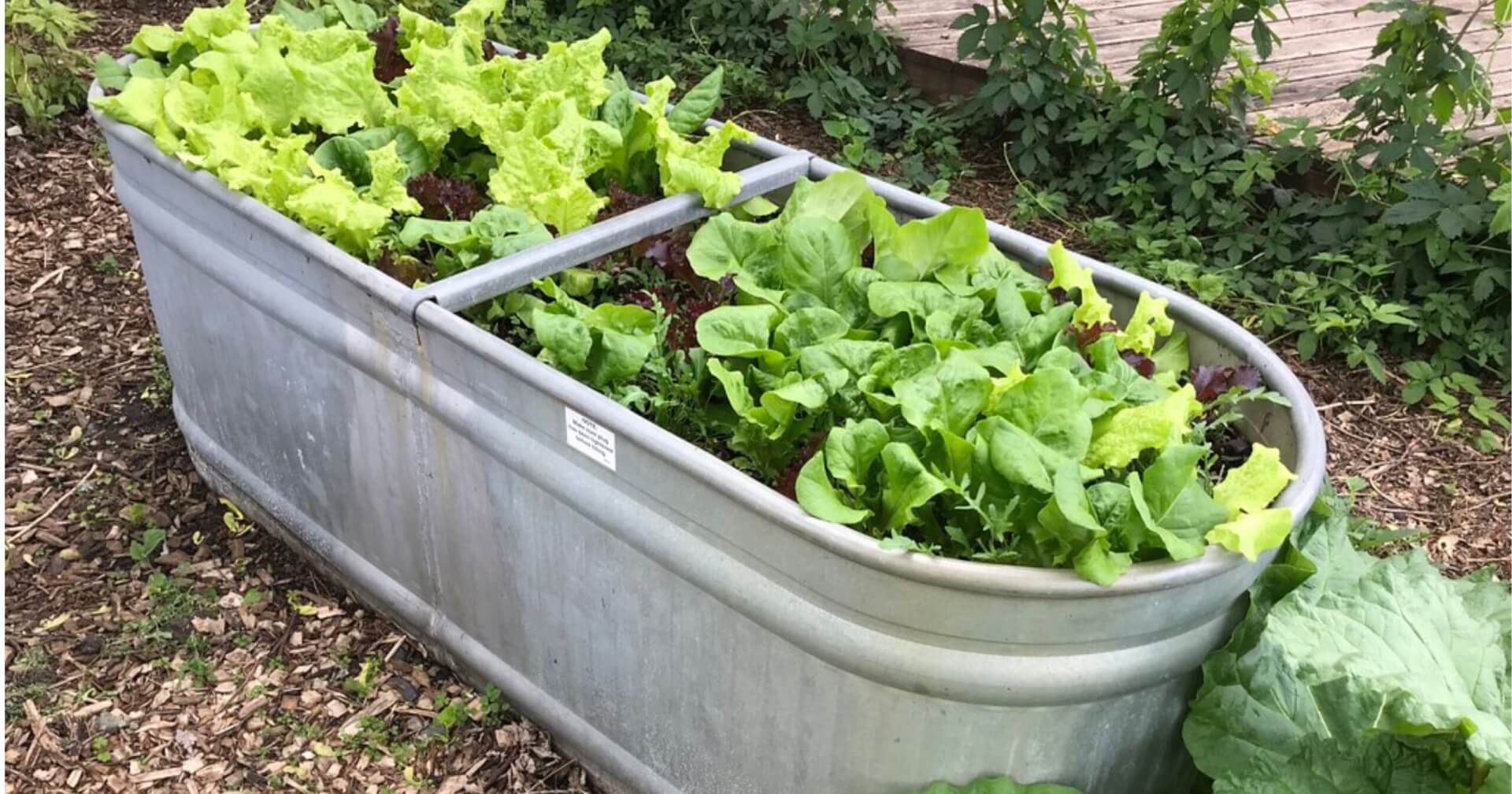
4 to 8 liters (1 to 2 gallons), at least 15–20 cm (6–8 in) deep: Lettuce, spinach, arugula/rocket, radishes, green onions, and compact herbs.
Step-by-Step Ways to Boost Growth Right Now
1. Upgrade the Container or Refresh the Mix
If a mid-season vegetable is clearly root-bound in a small pot, gently pot it up into a larger container with clear drainage holes, filling the extra space with fresh, high-quality potting mix. If you are reusing last year’s potting mix, refresh it by blending in 20% to 30% finished compost and a handful of perlite so it regains structure and nutrients.
2. Establish a Steady Feeding Routine
Because nutrients wash out of pots so easily, container vegetables thrive on regular, moderate feeding rather than occasional heavy doses:
-
Mix a slow-release granular vegetable fertilizer into the potting mix at planting time according to label instructions.
-
Supplement every 1 to 2 weeks during active growth with a water-soluble or liquid organic fertilizer (such as fish emulsion, seaweed/kelp extract, or a balanced liquid tomato feed) diluted to half or full label strength—always applying it to already-damp soil so you never burn dry roots.
3. Water Deeply—and Consider Self-Watering Setups
Water slowly at the soil surface until water runs freely out the bottom drainage holes, ensuring the entire root ball is moistened rather than just the top inch. During peak summer heat, check containers every morning; large fruiting crops often need daily watering.
For thirsty crops like tomatoes and cucumbers, sub-irrigated planters (self-watering pots)—which hold a water reservoir beneath the soil—keep moisture completely steady and dramatically accelerate growth.
4. Mulch the Surface and Cool the Pot Walls
Spread a 2.5 to 5 cm (1 to 2 inch) layer of straw, shredded bark, or compost on top of the potting mix to cut evaporation. If black plastic pots are baking in full sun, slide them inside a slightly larger light-colored decorative pot (double-potting) or wrap them with burlap or reflective shade cloth to keep roots cool.
5. Support Vertical Growth and Prune Lightly
Give vining tomatoes, cucumbers, pole beans, and peas sturdy trellises, cages, or bamboo teepees early so stems do not kink or shade lower leaves. Pick harvests frequently—leaving mature zucchini, beans, or cucumbers on the vine signals the plant to slow down new production.
Common Mistakes to Avoid
-
Putting gravel or broken pottery at the bottom of pots: A layer of stones does not improve drainage; it actually raises the saturated water zone closer to the roots and steals valuable soil volume. Use a screen or coffee filter over the drainage hole if you want to keep soil from washing out.
-
Leaving pots sitting in water-filled saucers: Unless you are using a purpose-built self-watering reservoir, empty saucers 20 minutes after watering so bottom roots do not suffocate and rot.
-
Overcrowding multiple crops in one small pot: Planting three tomato plants or a dozen carrots in a tiny container creates intense root competition that leaves every plant stunted.
-
Spraying pesticides or fungicides without a clear diagnosis: Container stress is almost always driven by water, pot size, sun, or nutrients. If you do confirm a pest like aphids or spider mites, blast them off with a firm water spray first; if a treatment is genuinely needed, choose an insecticidal soap or horticultural oil registered for edible crops in your region (EPA in the USA, HSE in the UK, PMRA in Canada, or APVMA in Australia) and follow all label directions strictly.
Regional Container Gardening Adjustments
-
UK: Grow-bags and compact patio pots are popular for tomatoes and peppers, but standard grow-bags are quite shallow. Setting bottomless ring-culture pots on top of a grow-bag—or using deep 30-liter pots filled with peat-free multipurpose compost amended with extra perlite—gives roots far more room and steadier moisture.
-
USA & Canada: On windy balconies or rooftops, tall staked plants tip easily and dry out twice as fast. Use heavy ceramic or fabric grow-pots weighted at the base, and choose compact “patio” or dwarf cultivars bred specifically for containers.
-
Australia: Intense summer UV and hot winds can overheat container roots quickly. Favor light-colored pots or lined timber planter boxes over thin black plastic, use a quality potting mix meeting the Australian Standard (look for the AS 3743 red ticks mark) with added wetting agents, and water early in the morning.
When Local Expert Advice Helps
If potted vegetables develop distorted, mottled leaves, severe stunting across multiple varieties, or root galls despite fresh potting mix and proper feeding, consult your local university extension office or Master Gardener helpline (USA and Canada), the Royal Horticultural Society (RHS) advisory service (UK), or specialist local nurseries and state agricultural resources (Australia) to rule out viral diseases or persistent pests.
Frequently Asked Questions
Can I reuse potting mix from last year’s vegetable containers?
Yes, as long as the previous plants did not suffer from root rot, wilt diseases, or severe soil-borne pests. Dump the old mix into a tub, remove old roots, and refresh it with 25% to 30% fresh compost, a little perlite for drainage, and a slow-release organic vegetable fertilizer.
Are fabric grow bags better than plastic pots for vegetables?
Fabric grow bags offer superior drainage and “air-prune” roots so plants rarely become root-bound, and they keep roots cooler in summer. The trade-off is that they dry out much faster than plastic or glazed ceramic pots, so they require more frequent watering—and do best sitting on a tray to protect wooden decks from moisture stains.
How often should I fertilize vegetables in containers?
Most container vegetables perform best with a slow-release granular fertilizer mixed into the soil at planting, paired with a diluted liquid organic or balanced vegetable fertilizer every 1 to 2 weeks once active growth and flowering begin.
Why are my balcony vegetables growing tall and thin?
Tall, spindly stems with wide gaps between leaves mean the plants are stretching for sunlight. Track how many hours of direct sun your balcony actually receives, and move sun-loving crops like tomatoes and peppers to the brightest corner—or switch to shade-tolerant greens like lettuce, spinach, and mint.
Reliable Sources and Further Reading
-
University of Minnesota Extension – Growing Vegetables in Pots for container depth minimums, soilless mix recommendations, and watering routines.
-
Clemson Cooperative Extension (HGIC) – Container Vegetable Gardening for fertilizer schedules, cultivar selection, and balcony wind/sun management.
-
Royal Horticultural Society (RHS) – Vegetables in Containers for UK-focused guidance on peat-free composts, grow-bags, and self-watering setups.
