How to Water Outdoor Garden Plants Properly in Hot Summer Weather
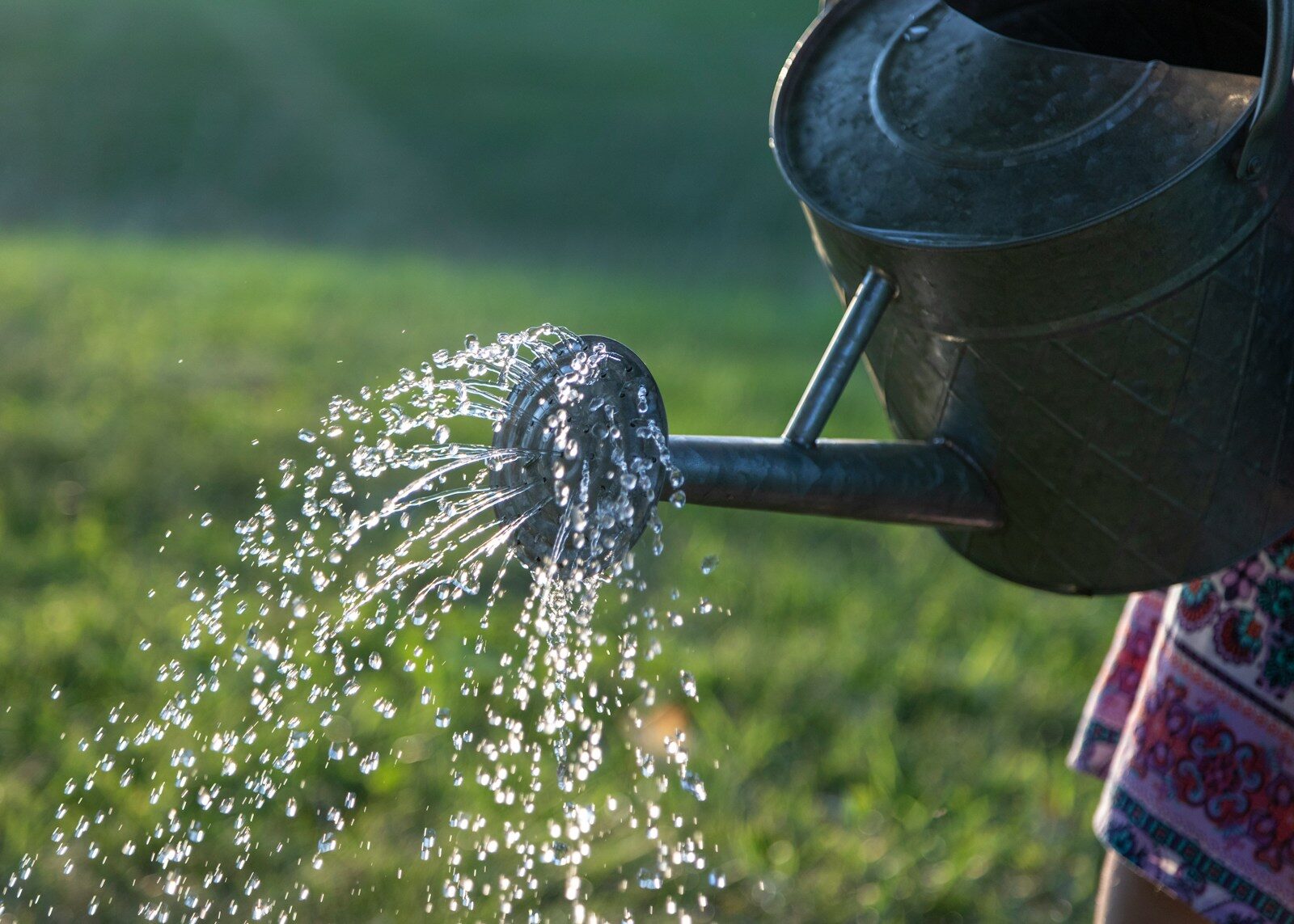
water pouring on gray steel watering can

Deep, early-morning watering directly at the base of each plant is the most effective way to keep outdoor garden plants healthy during hot summer weather. Most summer plant stress happens because gardeners sprinkle water lightly on the leaves at midday, where heat evaporates moisture before it ever reaches the roots. When temperatures climb, outdoor plants … Read more
How to Fix Nutrient Deficiency Symptoms in Garden Plants?

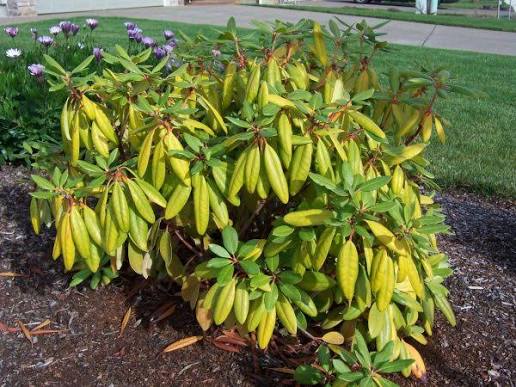
Garden plant leaves showing nutrient deficiency yellowing patterns

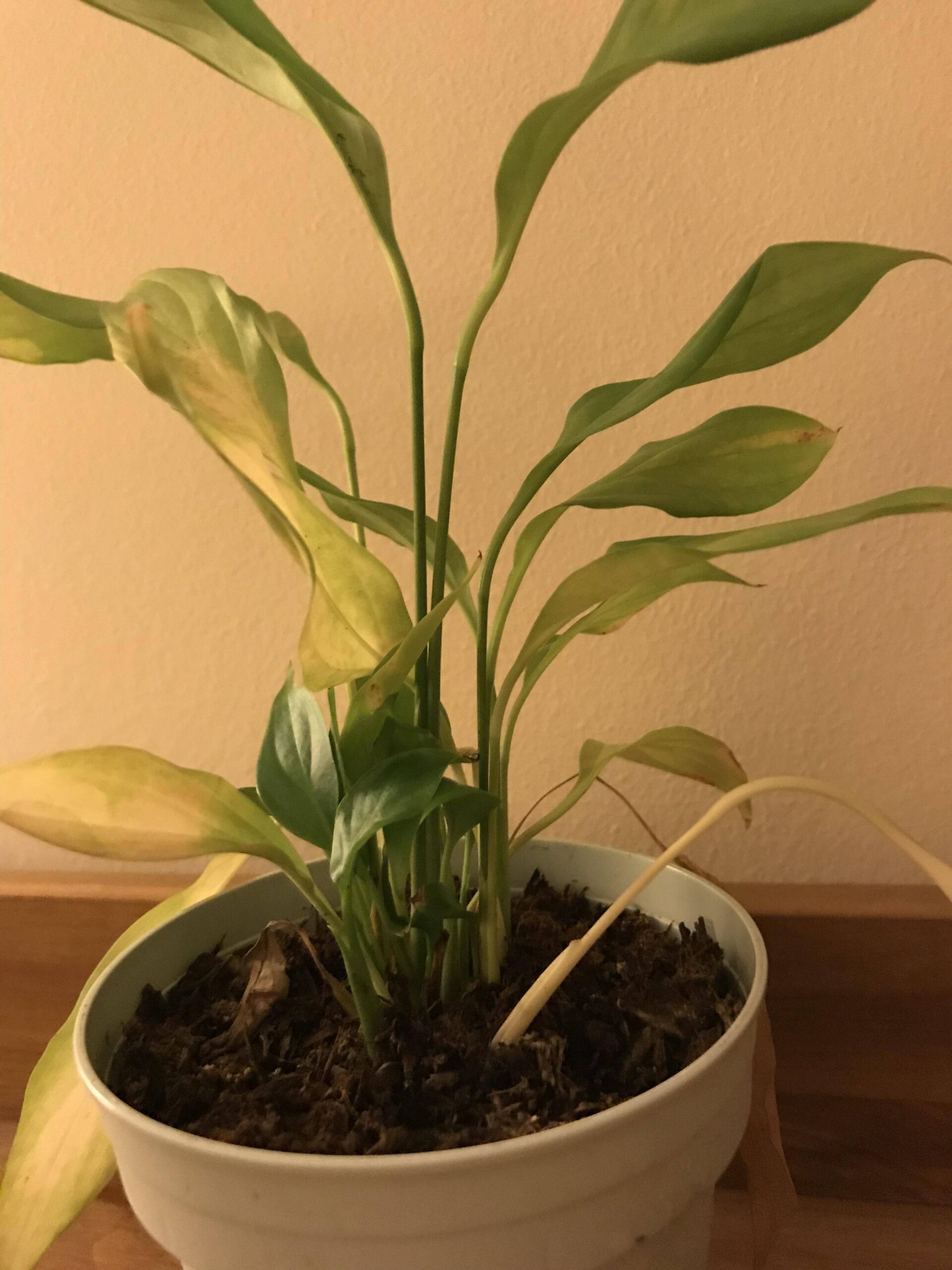
Dumping a bag of all-purpose fertilizer onto a yellowing vegetable bed or potted perennial rarely solves the problem—and often makes it worse. When leaves turn pale, develop dead margins, or show green veins against yellow tissue, the soil frequently contains plenty of minerals that the plant simply cannot absorb. Extreme soil pH, waterlogged roots, cold … Read more

How to Use Mulch in Your Outdoor Garden to Retain Moisture and Stop Weeds

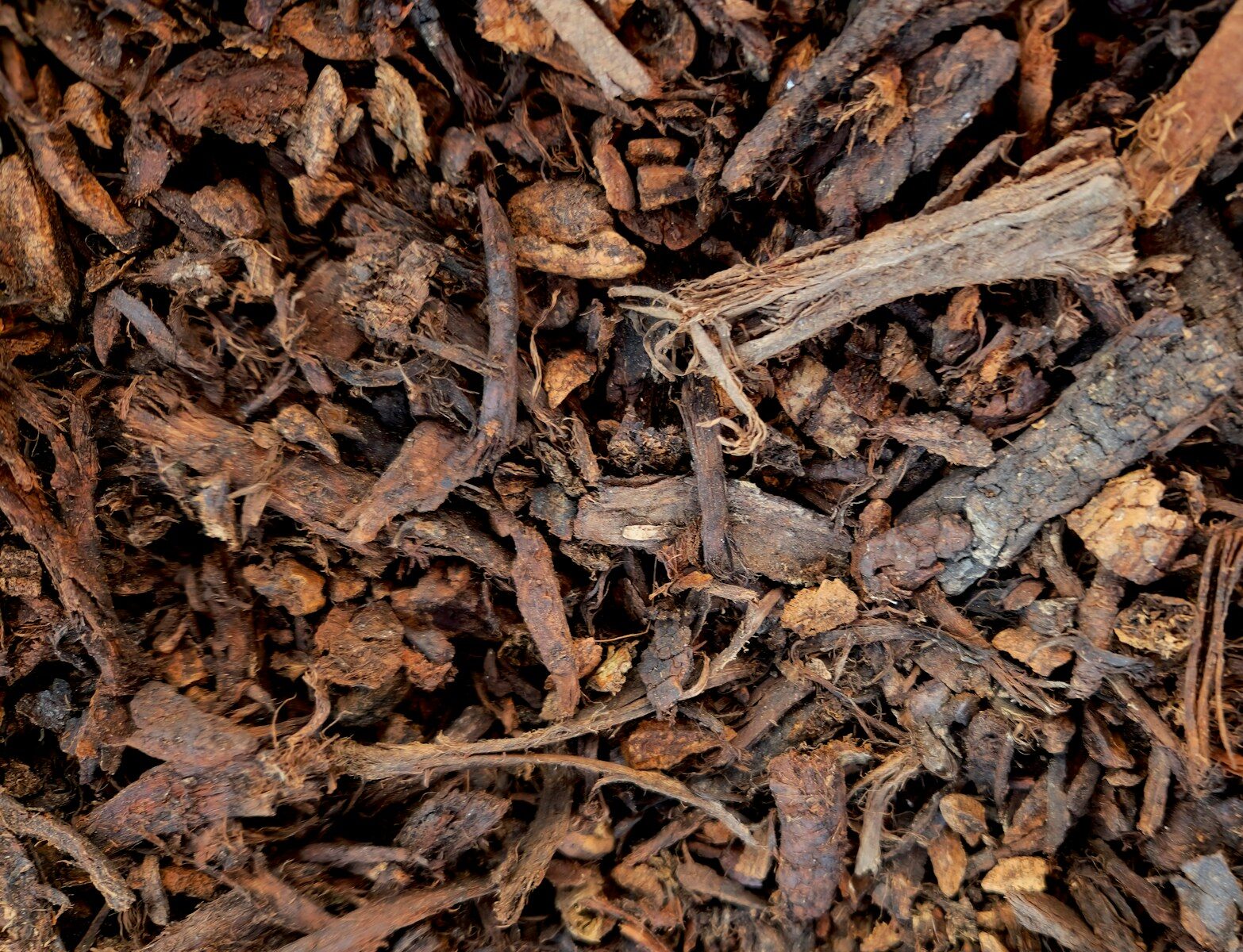
a close up of a pile of wood chips

Spreading a two-to-three-inch layer of organic mulch over bare garden soil is the fastest way to keep outdoor beds moist, block weed seeds from sprouting, and feed soil microbes naturally. Bare soil loses moisture rapidly in sun and wind, forces roots to endure sharp temperature swings, and leaves wide-open space for aggressive weeds to take … Read more

Why Are Plant Stems Turning Soft and Weak?

Garden plant with soft bending stems needing moisture balance

When a plant stem loses its rigid upright posture and becomes limp, spongy, or thin enough to bend under the weight of its own leaves, its internal structural support system is failing. Herbaceous plants rely on two mechanisms to stay upright: water pressure pushing outward against cell walls (turgor) and thickened, lignin-reinforced vascular fibers. When … Read more

How to Prepare Your Outdoor Garden Beds for Seasonal Planting

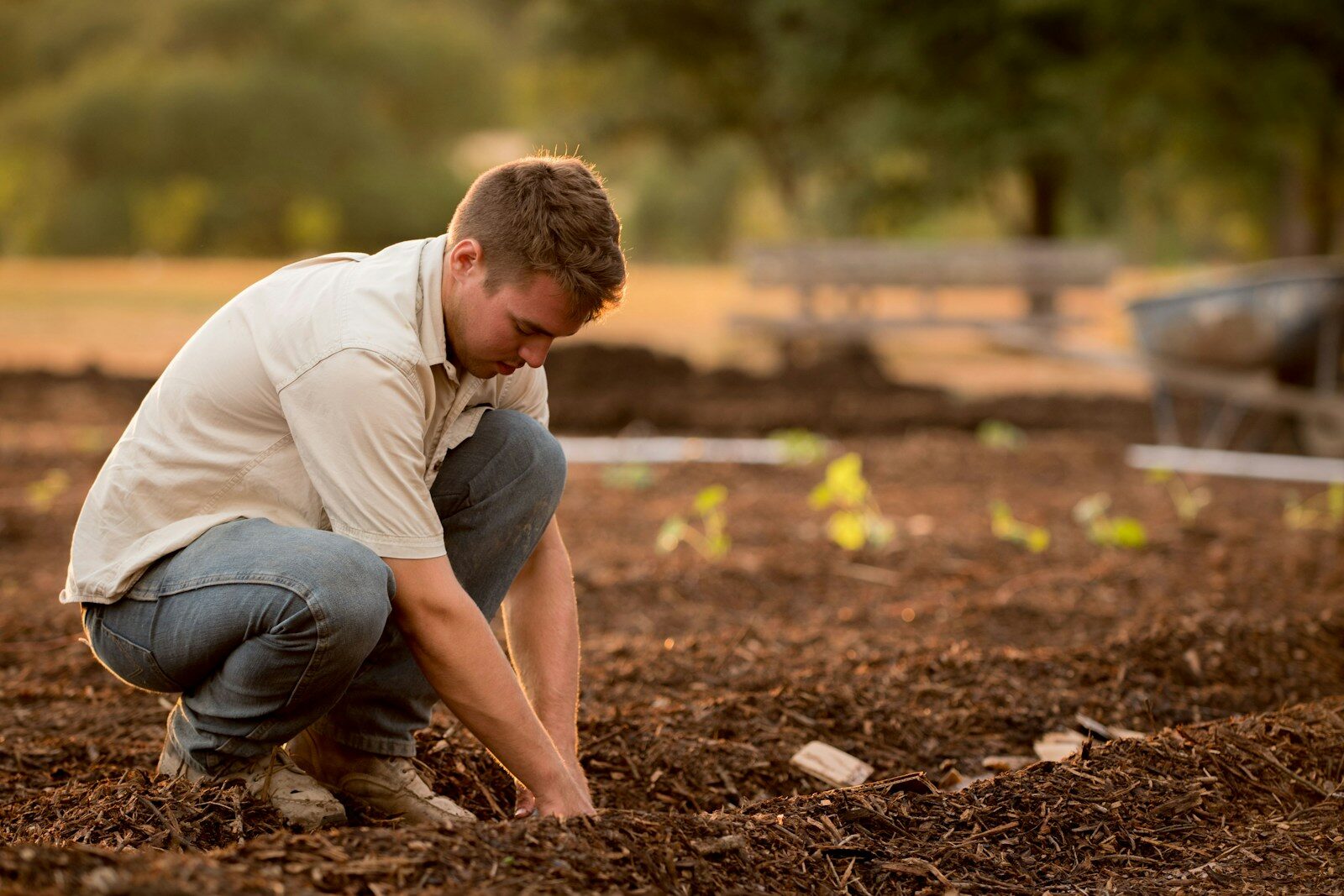
man in white shirt planting at daytime

Clearing winter debris, loosening compacted earth, and mixing in fresh organic compost are the essential steps to prepare your outdoor garden beds for seasonal planting. Skipping bed preparation forces young roots to fight through hard soil, compete with overwintered weeds, and struggle with leftover fungal spores from the previous growing season. Spending a single weekend … Read more

How to Identify and Treat Spider Mite Damage on Garden Plants?

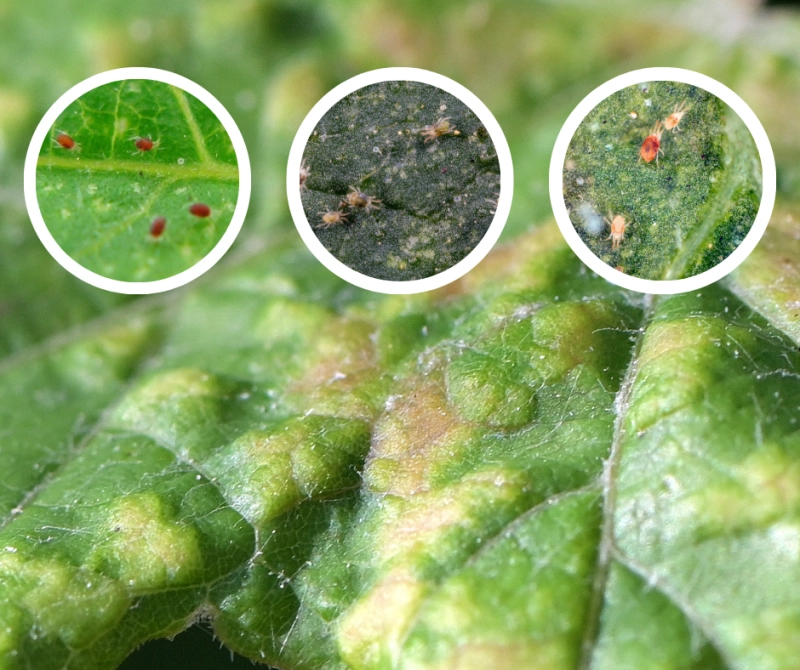
Garden plant leaves showing fine speckling from spider mites

A fine, pale speckling across the upper surface of tomato, bean, or rose leaves—often mistaken at first glance for sun scorch, nutrient deficiency, or dust—is the classic calling card of spider mites. Unlike insects, spider mites belong to the arachnid family Tetranychidae, measuring less than 0.5 millimeters (about the size of a grain of fine … Read more

Why Are New Plant Leaves Smaller Than Older Leaves?

Plant showing smaller new foliage compared to mature leaves

When a plant pushes out a fresh flush of foliage that stops expanding at half—or even a quarter—of the size of its older leaves, it is rationing limited resources during cell expansion. Leaf size is determined during a brief developmental window: first by cell division inside the emerging bud, and then by water-driven cell enlargement … Read more

How to Identify and Treat Powdery Mildew on Garden Plants

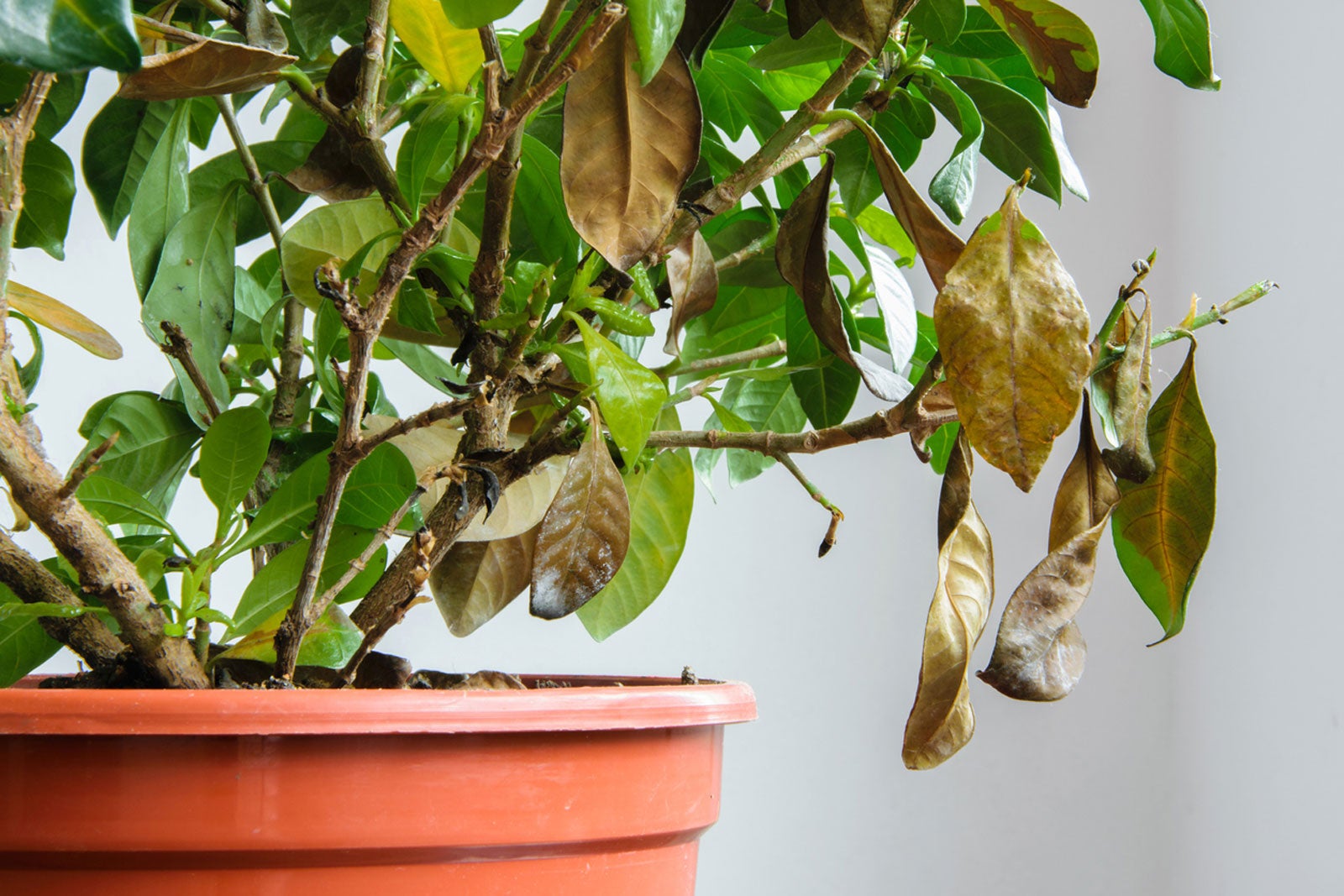
Potted plant shedding leaves due to environmental stress

A dusty, white-to-gray film dusting the upper surfaces of zucchini, rose, phlox, or lilac leaves is almost always powdery mildew—a fungal disease caused by several host-specific genera in the order Erysiphales. Unlike most plant fungi that need standing water on leaves to infect, powdery mildew spores germinate readily in high humidity and moderate temperatures even … Read more

Overwatering vs. Underwatering: How to Tell the Difference and Fix Your Plants

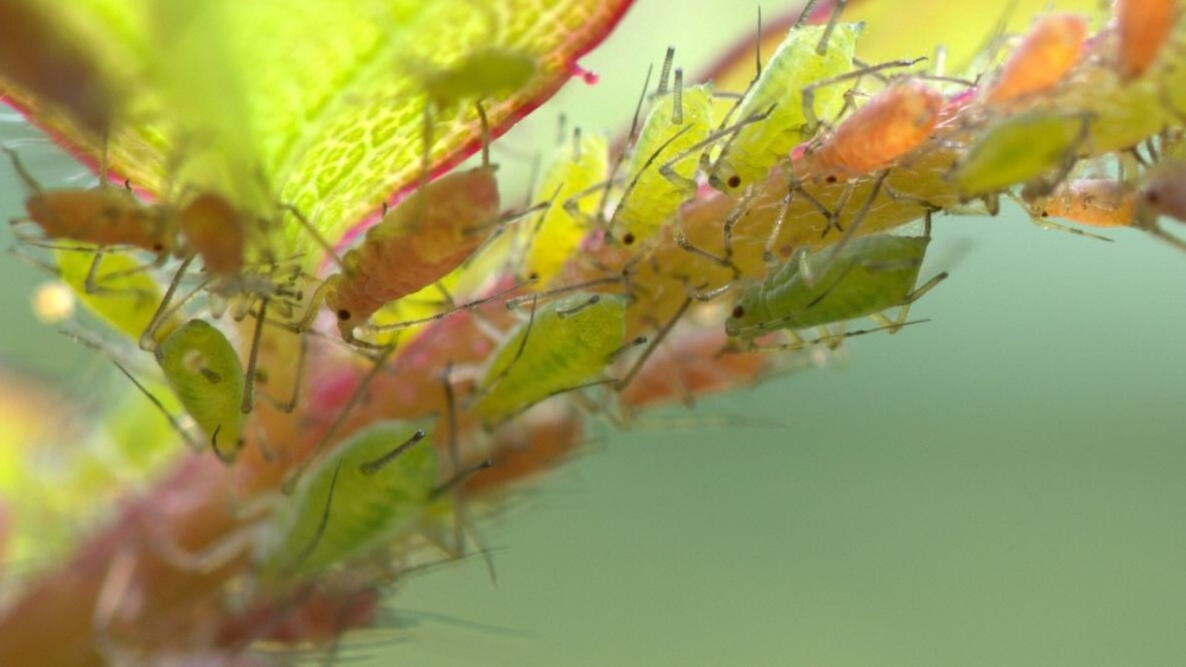
Garden plant stem being inspected for common green aphids

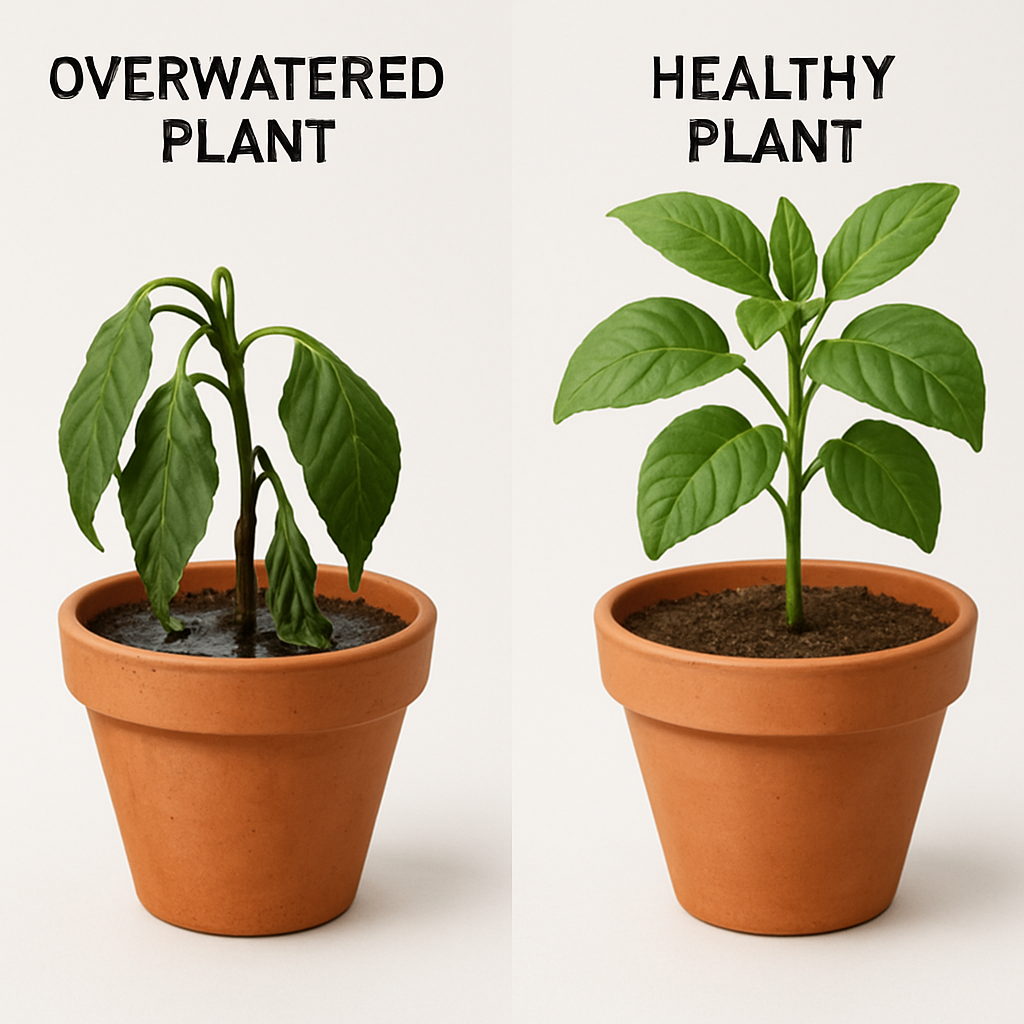
Both overwatering and underwatering can cause a plant to droop, drop leaves, and turn yellow—a biological overlap that leads many gardeners to make the exact wrong rescue attempt. When roots drown in saturated soil, they rot and lose the ability to absorb moisture, causing the canopy above to wilt just as if the soil were … Read more

How to Improve Vegetable Plant Growth in Containers?

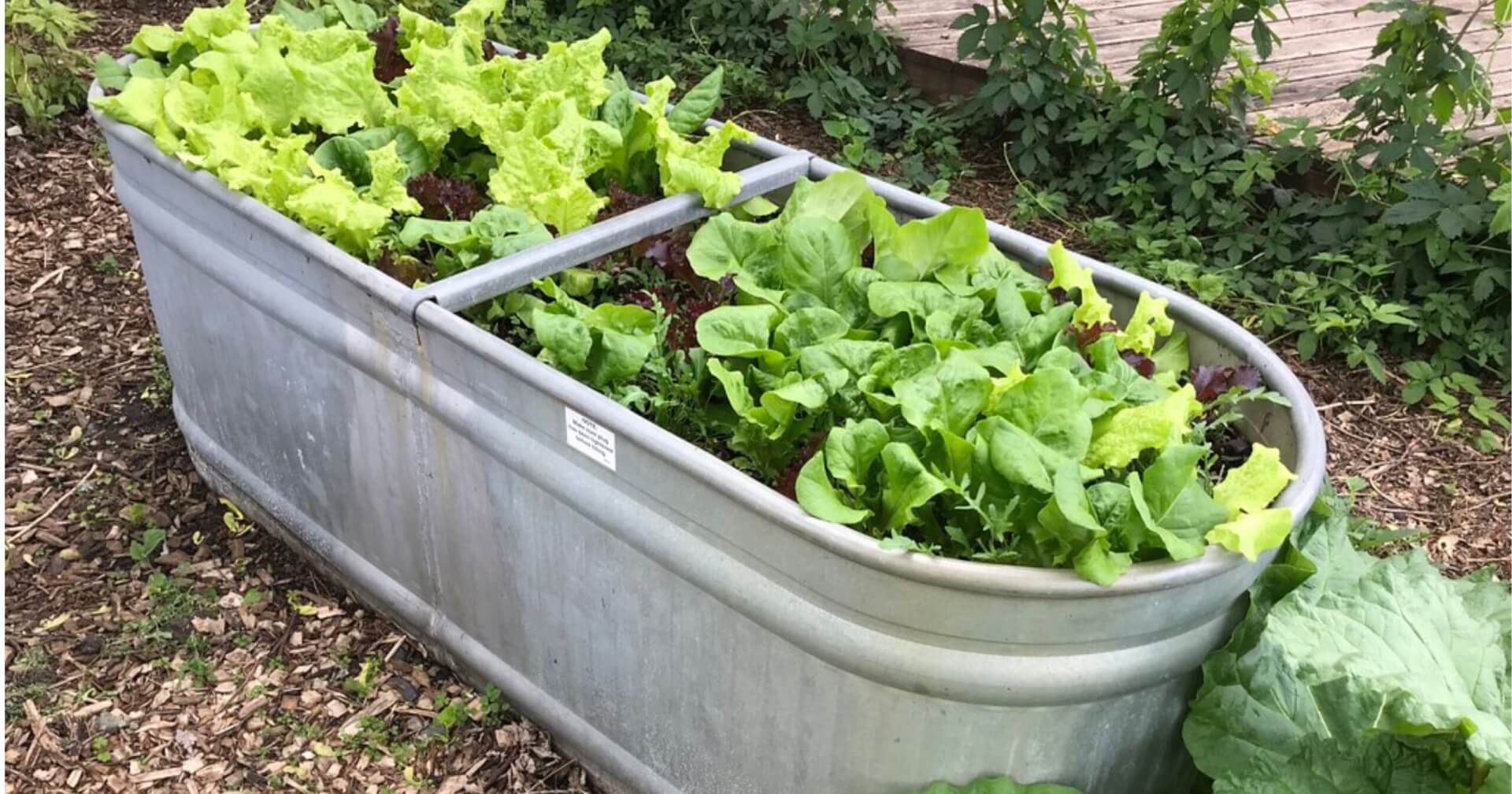
Healthy vegetable plants thriving in patio containers

Container vegetable gardening looks deceptively simple: fill a pot with soil, drop in a tomato or pepper plant, water it, and wait for dinner. Yet by midsummer, many patio gardeners end up with stunted vines, yellowing lower leaves, and a fraction of the harvest they expected. Growing vegetables in pots is fundamentally different from growing … Read more