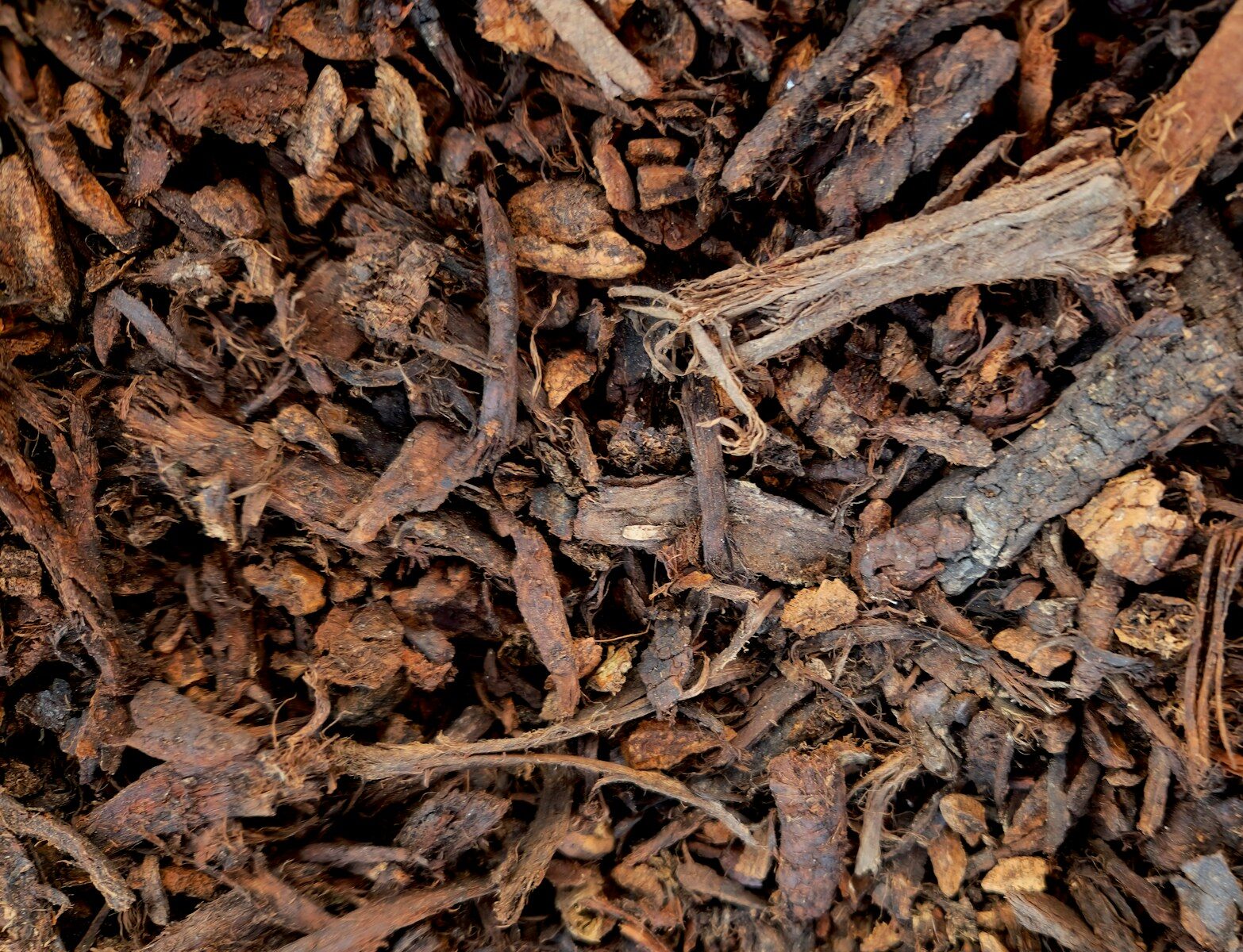
Spreading a two-to-three-inch layer of organic mulch over bare garden soil is the fastest way to keep outdoor beds moist, block weed seeds from sprouting, and feed soil microbes naturally. Bare soil loses moisture rapidly in sun and wind, forces roots to endure sharp temperature swings, and leaves wide-open space for aggressive weeds to take over.
When you use mulch in your outdoor garden properly, you cut weekly watering and weeding chores sharply while steadily improving soil texture. The key is picking the right mulch material for your plants and applying it at the correct depth without smothering plant stems.
Why Mulching Makes Such a Big Difference
A good mulch layer acts like a protective blanket over your garden beds. It works in four practical ways at the same time:
- Locks in Moisture: Mulch shades the soil surface from direct sunlight and drying winds, cutting surface evaporation by half or more during warm months.
- Blocks Sunlight From Weed Seeds: Most annual weed seeds need light to germinate. A thick, even mulch layer starves those seeds of sunlight so far fewer weeds break through.
- Regulates Soil Temperature: Mulched soil stays cooler during summer heatwaves and warmer during sudden spring or autumn cold snaps, protecting sensitive feeder roots.
- Builds Richer Soil Over Time: Organic mulches slowly break down from the bottom up, adding humus that loosens heavy clay and helps sandy soil hold water and nutrients.
Best Types of Organic Mulch for Outdoor Gardens
Different areas of your yard benefit from different mulch materials. Match the material to the plants growing in that bed.
1. Shredded Bark and Wood Chips
Shredded hardwood bark and arborist wood chips break down slowly, making them ideal around trees, shrubs, ornamental perennials, and garden pathways. They resist blowing away in strong winds and give landscape beds a neat, finished look.
2. Shredded Leaves and Leaf Mold
Chopped autumn leaves are free, lightweight, and packed with trace minerals. Run a lawn mower over dry leaves before spreading them so they do not mat together into a waterproof crust. They work wonderfully in flower borders and perennial beds.
3. Clean Straw or Pine Straw
Weed-free straw is light, airy, and easy to tuck around annual flowers and outdoor vegetable rows. Pine needles (pine straw) knit together nicely on sloped beds and look natural around acid-tolerant shrubs like azaleas and blueberries.
4. Finished Compost
A one-to-two-inch top-dressing of dark, crumbly compost feeds hungry plants immediately while suppressing small weeds. Compost breaks down quickly, so many gardeners layer compost underneath shredded bark or straw for both nutrition and long-term weed control.
Step-by-Step Guide to Applying Mulch Properly
Applying mulch takes only an afternoon, but a few careful prep steps make it last all season.
1. Pull Existing Weeds First
Mulch stops new weed seeds from sprouting, yet tough perennial weeds with deep taproots can push right through a thin layer. Pull dandelions, crabgrass, and bindweed by the roots before laying fresh mulch.
2. Water Dry Soil Thoroughly
Never pile mulch onto bone-dry ground. Give your garden beds a deep soak first so you trap useful moisture underneath the mulch layer instead of sealing dry soil away from light rain.
3. Spread an Even Two-to-Three-Inch Layer
Use a rake or your hands to spread mulch evenly across the bed. Less than two inches allows light to reach weed seeds, while more than four inches can block oxygen from reaching shallow plant roots.
4. Keep Mulch Away From Stems and Tree Trunks
Leave a clear two-to-three-inch ring of bare soil around every plant stem, shrub base, and tree trunk. Piling mulch directly against bark traps dampness, invites stem rot, and creates shelter for chewing rodents.
When to Refresh Your Garden Mulch
Most outdoor beds need a fresh top-up once a year in mid-to-late spring, right after the soil warms up and spring perennials emerge. Before adding new mulch, fluff up any compacted old mulch with a hand rake and measure the remaining depth. Only add enough new material to bring the total depth back to two to three inches.
Common Mulching Mistakes to Avoid
Avoid these frequent errors that can harm otherwise healthy outdoor plants:
- Creating Mulch Volcanoes Around Trees: Stacking a cone of mulch high up a tree trunk suffocates roots and causes fatal bark decay. Always shape mulch into a flat doughnut ring instead.
- Using Fresh Grass Clippings Too Thickly: Thick layers of wet grass clippings mat down, smell sour, and block water. If you use clippings, spread them no thicker than half an inch and let them dry first.
- Mulching Cold Spring Soil Too Early: Applying thick mulch in very early spring keeps frozen or cold soil chilly longer, delaying root growth for warm-season flowers and vegetables.
Frequently Asked Questions
How thick should mulch be in an outdoor garden bed?
Aim for two to three inches of organic mulch in flower and shrub beds. Fine materials like compost work best at one to two inches, while coarse wood chips can go up to three inches.
Does wood mulch steal nitrogen from garden plants?
Wood chips only tie up nitrogen right at the thin boundary where wood touches soil. As long as you lay mulch on top of the soil surface instead of tilling wood chips underground, established outdoor plants will not lose nitrogen.
Should I put landscape fabric under organic mulch?
In most home gardens, landscape fabric is unnecessary and causes long-term headaches. It prevents organic mulch from enriching the soil below, clogs with dirt over time, and makes planting new flowers difficult. Plain cardboard overlapped under mulch is a much better biodegradable weed barrier.
How often do I need to replace garden mulch?
You do not need to remove old organic mulch. Simply top it up once a year in spring as the bottom layer naturally decomposes into dark, fertile soil.
