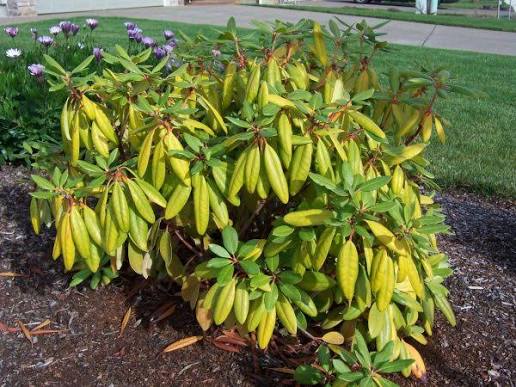
Dumping a bag of all-purpose fertilizer onto a yellowing vegetable bed or potted perennial rarely solves the problem—and often makes it worse. When leaves turn pale, develop dead margins, or show green veins against yellow tissue, the soil frequently contains plenty of minerals that the plant simply cannot absorb. Extreme soil pH, waterlogged roots, cold spring temperatures, or excess competing minerals routinely lock out nutrients even in heavily fertilized gardens.
Fixing a nutrient deficiency accurately requires reading where the symptoms appear on the plant first—whether on older, lower foliage or on brand-new growing tips—and checking soil conditions before adding any amendments.
The Mobility Rule: Reading Old vs. New Leaves First
Plant nutrients fall into two physiological groups: mobile and immobile. Understanding this distinction narrows down a diagnosis within seconds:
-
Mobile nutrients (nitrogen, phosphorus, potassium, and magnesium) can be pulled out of older, lower leaves and relocated to support brand-new shoots when supplies run low. Consequently, symptoms always appear on the oldest, lowest leaves first.
-
Immobile nutrients (iron, calcium, boron, zinc, and sulfur) stay locked inside the cell walls and tissues where they were first deposited. When a shortage occurs, older leaves stay green while brand-new leaves and growing tips emerge yellow, distorted, or stunted.
| Symptom Location & Pattern | Suspected Deficiency | Primary Look-Alike to Rule Out |
| Older leaves turn uniformly pale yellow from the tip inward | Nitrogen (N) | Overwatering or root rot (check if soil stays soggy and lower leaves feel soft). |
| Older leaves develop dark green or purplish-red undersides | Phosphorus (P) | Cold spring soil temperatures below 15°C (59°F), which temporarily block root uptake in tomatoes and brassicas. |
| Older leaves develop scorched, brown, or yellowing outer margins | Potassium (K) | Fertilizer salt burn, drought stress, or sodium toxicity from softened tap water. |
| Older leaves turn yellow between the veins (interveinal chlorosis) | Magnesium (Mg) | Natural autumn senescence or spider mite stippling on leaf undersides. |
| New leaves turn bright yellow with sharply defined green veins | Iron (Fe) or Manganese (Mn) | High soil pH (alkaline soil above 7.2) or waterlogged roots suffocating fine feeder hairs. |
| New leaves emerge curled, cupped, or hooked; fruit ends rot | Calcium (Ca) | Erratic watering cycles (wet-to-bone-dry swings) rather than an actual lack of calcium in the soil. |
| Growing tips die back; hollow stems or corky spots in roots/fruit | Boron (B) | Herbicides, severe drought, or root-knot nematodes. |
Why Plants Starve Even in Nutrient-Rich Soil
Before buying single-element supplements, rule out the four environmental roadblocks that prevent roots from taking up existing minerals:
1. Soil pH Imbalance
Soil acidity or alkalinity controls nutrient solubility. Most garden vegetables, perennials, and houseplants absorb nutrients best between pH 6.0 and 6.8. When soil pH climbs above 7.2—common in alkaline limestone soils across the western United States, southern and eastern England, and parts of southern Australia—iron, manganese, and zinc precipitate into insoluble compounds that roots cannot absorb. Conversely, strongly acidic soil below pH 5.5 locks up phosphorus, calcium, and magnesium while releasing potentially toxic levels of aluminum.
2. Erratic Moisture and Waterlogged Roots
Plants absorb minerals dissolved in soil water through microscopic root hairs. In dry soil, nutrients sit stranded in solid form; in flooded, poorly drained soil, oxygen-starved root hairs die off. Blossom end rot in tomatoes (Solanum lycopersicum), peppers (Capsicum spp.), and zucchini—the classic dark, sunken leathery patch at the base of the fruit—is almost always caused by inconsistent watering interrupting calcium transport rather than a calcium-free garden bed.
3. Cold Spring Soil
Early-season transplants set out into cool soil in Canada, the UK, the northern US, or southern Australia frequently develop purple-tinted lower leaves. Phosphorus uptake slows sharply when soil temperatures sit below 15°C (59°F). Once the soil warms, roots resume normal absorption without needing extra phosphorus fertilizer.
4. Nutrient Antagonism
Over-applying one mineral can block another. Heavy doses of high-potassium tomato feed or wood ash can suppress magnesium and calcium uptake, while excessive phosphorus fertilizer binds up iron and zinc in the root zone.
Step-by-Step Action Plan to Correct Deficiencies
Work through these steps in sequence so you treat the actual bottleneck rather than masking symptoms.
Step 1: Test Soil pH and Nutrient Levels
Use a calibrated digital pH meter or a reliable liquid soil test kit for a quick pH check, or send a composite soil sample to a university agricultural extension lab (in the US/Canada) or accredited horticultural lab (such as the RHS soil analysis service in the UK). Knowing your baseline pH prevents adding lime to already alkaline soil or iron to soil that simply needs sulfur.
Step 2: Stabilize Watering and Soil Structure
Water deeply and evenly at the base of plants, then mulch beds with 5 to 8 centimeters (2 to 3 inches) of finished compost or shredded bark to keep soil moisture steady. For potted plants, verify that drainage holes are clear and flush out accumulated fertilizer salts every few months by pouring plain water equal to twice the pot’s volume through the mix.
Step 3: Apply Targeted Corrections Based on Diagnosis
-
For Nitrogen Deficiency: Top-dress outdoor beds with finished compost, worm castings, or well-rotted manure, or apply a fast-acting organic source such as blood meal, feather meal, or diluted fish emulsion. For potted plants, feed with a balanced liquid fertilizer containing nitrogen during active spring and summer growth.
-
For Iron or Manganese Chlorosis on New Growth: Apply chelated iron (specifically Fe-EDDHA for alkaline soils above pH 7.2, or Fe-DTPA/Fe-EDTA for neutral to slightly acidic soils) as a soil drench or foliar spray for rapid greening within 7 to 14 days. For a long-term fix in alkaline garden beds, incorporate elemental sulfur according to soil test recommendations to lower pH gradually over several months.
-
For Magnesium Deficiency on Older Leaves: Dissolve 1 tablespoon (15 ml) of plain, unscented Epsom salt (magnesium sulfate) in 4 liters (1 gallon) of water and apply as a root drench or early-morning foliar spray once a month during active growth. Avoid applying Epsom salt indiscriminately if magnesium is not deficient, as excess magnesium competes with calcium uptake.
-
For Calcium-Related Disorders (Tip Burn or Blossom End Rot): Stabilize soil moisture immediately rather than dumping eggshells into the planting hole (crushed eggshells take years to break down in soil). If a soil test confirms genuine calcium deficiency in acidic soil, incorporate agricultural lime (calcium carbonate) or dolomitic lime (if magnesium is also low). Where soil pH is already neutral or alkaline, apply gypsum (calcium sulfate), which supplies soluble calcium without raising pH.
-
For Potassium or Phosphorus Shortages: Use sulfate of potash or kelp meal for potassium, and bone meal or rock phosphate for phosphorus—only where a soil test confirms a deficit, as excess phosphorus pollutes waterways and blocks micronutrients.
Always verify that soil amendments and fertilizers are approved for your intended edible or ornamental plants in your region, and follow label application rates carefully to avoid root burn.
Monitoring Recovery: What to Expect
Damaged leaves rarely revert completely to their original appearance. Once chlorophyll breaks down or leaf edges turn brown and necrotic, those specific cells cannot regenerate. Look instead at new leaves emerging from the growing tips over the next two to four weeks: if fresh foliage unfurls with rich, uniform color and normal size, your correction has succeeded. Remove severely yellowed lower leaves only after new growth is well established so the plant can finish salvaging any remaining mobile nutrients from them.
Frequently Asked Questions
Do crushed eggshells or banana peels fix calcium and potassium deficiencies quickly? No. Raw eggshells and banana peels must be broken down by soil microbes before their minerals become soluble to plant roots—a process that takes many months to over a year in garden soil. Composting kitchen scraps first is beneficial for long-term soil health, but active deficiencies require soluble mineral sources or liquid organic feeds.
Why do my acid-loving plants like blueberries, azaleas, and camellias always have yellow leaves with green veins? Ericaceous plants evolved in acidic forest soils (pH 4.5 to 5.5) and cannot extract iron from neutral or alkaline soil. Planting them in standard garden beds or watering them consistently with hard, alkaline tap water induces iron chlorosis. Grow them in dedicated ericaceous compost or amend beds with elemental sulfur and pine bark mulch, and water with collected rainwater whenever possible.
Can over-fertilizing look just like a nutrient deficiency? Yes. Excessive fertilizer salts dehydrate and burn fine root hairs, shutting down water and mineral absorption. The plant then develops brown leaf margins, wilting, and stunted new growth that closely mimic potassium or nitrogen shortages. If you have fertilized recently and symptoms worsen, flush the soil thoroughly with plain water rather than adding more feed.
Sources and Further Reading
-
University of Minnesota Extension: Nutrient Deficiencies in Plants — https://extension.umn.edu/plant-diseases/nutrient-deficiencies
-
Royal Horticultural Society (RHS): Nutrient Deficiencies in Plants — https://www.rhs.org.uk/soil-composts-mulches/nutrient-deficiencies
-
Clemson Cooperative Extension Home & Garden Information Center: Fertilizing Vegetables (HGIC 1254) — https://hgic.clemson.edu/factsheet/fertilizing-vegetables/
-
Government of Western Australia, Department of Primary Industries and Regional Development (DPIRD): Diagnosing Plant Nutrient Deficiencies — https://www.agric.wa.gov.au/plant-nutrition/diagnosing-plant-nutrient-deficiencies
