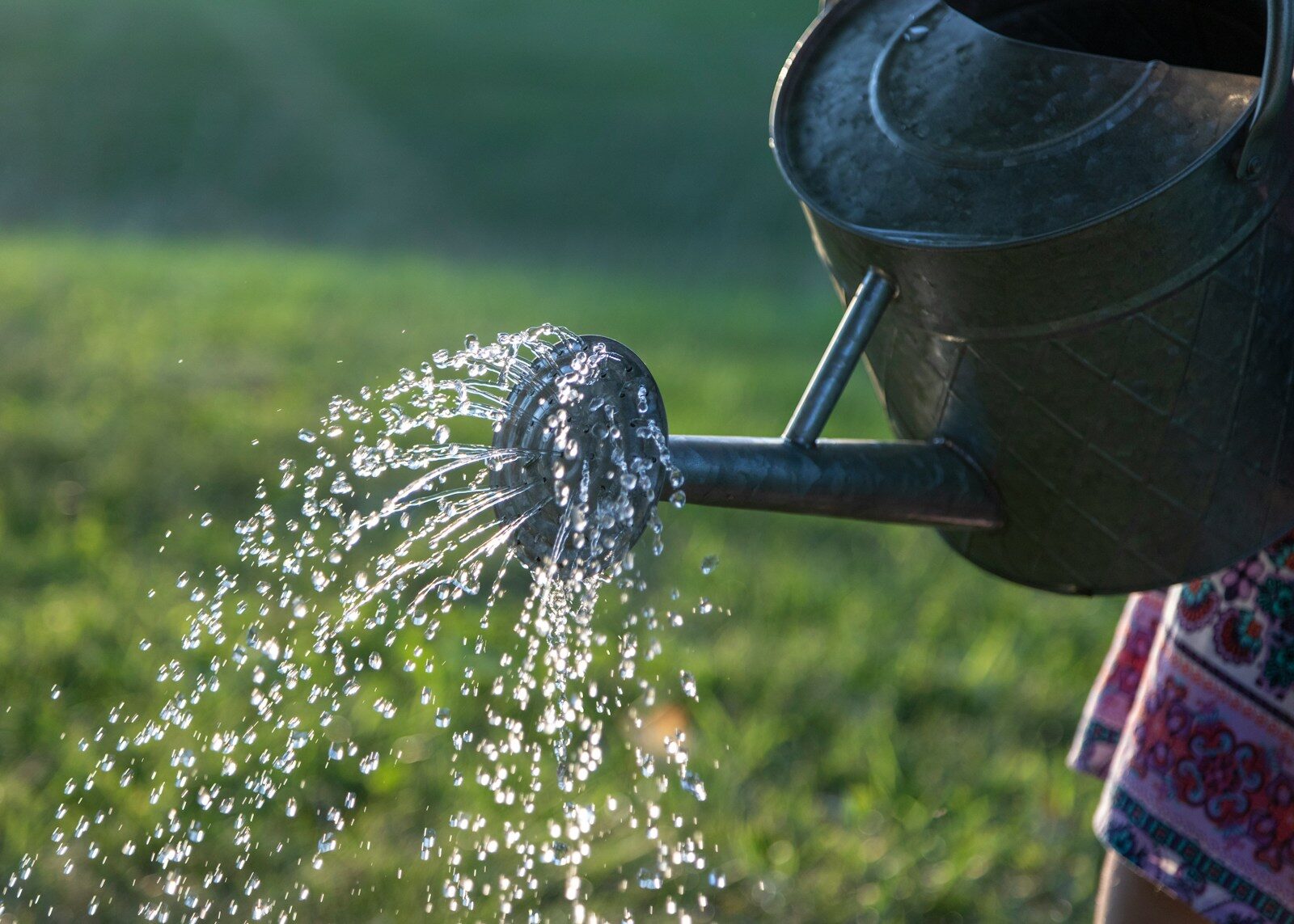
Deep, early-morning watering directly at the base of each plant is the most effective way to keep outdoor garden plants healthy during hot summer weather. Most summer plant stress happens because gardeners sprinkle water lightly on the leaves at midday, where heat evaporates moisture before it ever reaches the roots.
When temperatures climb, outdoor plants lose water quickly through their leaves while hot air dries out the top layer of soil. By adjusting when you water, how deeply you soak the soil, and how you check moisture levels, you can build stronger root systems and cut your water waste in half.
Why Summer Heat Stresses Outdoor Plants
High afternoon temperatures speed up transpiration, the process by which plants pull water through their roots and release moisture through their leaves to stay cool. If the root zone runs dry during peak sun, cells lose firmness and leaves begin to wilt, curl, or scorch along the edges.
Shallow watering makes this problem worse. When you only wet the top inch of soil every day, roots stay near the hot surface instead of growing deeper where the ground stays cool and moist. Deep, less frequent watering trains roots to push downward, giving your flowers, shrubs, and perennials a natural buffer against heatwaves.
The Best Time of Day to Water Outdoor Plants
Timing matters just as much as water volume during summer.
- Early Morning (5:00 AM to 9:00 AM): This is the best window to water outdoor garden beds. Cooler air and calmer winds let water soak deep into the soil with very little evaporation, and any moisture that splashes onto leaves dries quickly in the morning sun.
- Late Afternoon or Early Evening (After 5:00 PM): Use evening watering only as a backup if you miss the morning window and plants are visibly wilting. Keep water strictly off the foliage so damp leaves do not sit overnight and invite fungal leaf spots or powdery mildew.
- Avoid Midday Overhead Watering: Watering at noon wastes a large portion of water to evaporation. While water droplets rarely burn leaves on their own, shallow midday sprays fail to cool the root zone effectively.
Step-by-Step Guide to Deep Watering Your Garden
Follow this simple routine to soak the root zone thoroughly without overwatering.
1. Check the Soil Before You Water
Never water on a blind calendar schedule. Push your finger two to three inches into the soil near the base of your plants. If the soil feels cool and slightly damp at that depth, wait another day. If it feels dry and crumbly, it is time to water.
2. Water Slowly at the Base of the Plant
Aim your watering can spout, garden wand, or soaker hose directly at the soil around the stem rather than spraying over the top of the plant. Slow delivery gives dry soil time to absorb water instead of letting it run off into pathways.
3. Soak to a Depth of Six to Eight Inches
Established outdoor perennials, shrubs, and garden beds need roughly one inch of water per week under normal conditions, and up to one and a half inches during intense heatwaves. After watering, use a small trowel to check one spot in the bed and confirm moisture reached at least six inches deep.
4. Give Containers and Newly Planted Beds Extra Attention
Potted outdoor plants dry out much faster than in-ground beds because sun heats the sides of the container and soil volume is limited. Check outdoor pots every morning in July and August, and water until excess moisture drains freely from the bottom holes. Newly transplanted shrubs and flowers also need more frequent checks during their first four weeks until new roots spread out.
Best Watering Tools for Hot Weather
Choosing the right tool saves time and keeps foliage dry.
- Soaker Hoses and Drip Irrigation: These deliver water slowly straight into the root zone with minimal evaporation, making them ideal for flower borders and long garden rows.
- Long-Handled Watering Wand: A gentle shower nozzle lets you reach under dense foliage and deliver water right to the soil without washing away mulch.
- Rain Gauge or Straight-Sided Can: Placing a simple gauge in your garden bed helps you track rainfall and sprinkler output accurately so you never guess how much water your plants received.
Common Summer Watering Mistakes to Avoid
Even experienced gardeners fall into a few warm-weather habits that hurt plant growth:
- Watering Every Time Leaves Wilt at 3:00 PM: Many large-leafed plants like hydrangeas and squash droop slightly in peak afternoon heat to conserve water, even when the soil is moist. Always test the soil before adding more water, or you risk causing root rot.
- Leaving Bare Soil Exposed: Uncovered soil bakes in direct sun and forms a hard crust that repels water. Spreading a two-to-three-inch layer of organic mulch keeps soil cooler and locks in moisture for days.
- Relying on Short Overhead Sprinklers: Ten minutes with a lawn sprinkler rarely wets more than the top half-inch of garden soil. Longer, slower sessions twice or three times a week work far better than quick daily sprays.
Frequently Asked Questions
How often should I water outdoor plants in 95-degree heat?
Most in-ground garden beds need deep watering two to three times per week in extreme heat, while outdoor containers often need daily morning watering. Always confirm with the two-inch finger test before watering.
Should I water wilted outdoor plants right away in the afternoon?
Check the soil first. If the soil two inches down is bone dry, give the plant a slow soak at the base right away. If the soil is still moist, wait until evening or the next morning, as the plant is simply reacting to temporary heat stress.
Is cold tap water harmful to hot outdoor plants?
Cool tap water is safe for outdoor roots, though you should always run a sun-baked garden hose for 20 to 30 seconds on the lawn or path first so scalding hot water sitting inside the hose does not burn delicate roots.
How can I tell if I am overwatering my outdoor garden?
Signs of overwatering include soggy soil that never dries out, yellowing lower leaves, soft stems, and fungus gnats hovering near the soil surface. Cut back frequency and ensure your beds drain properly.
