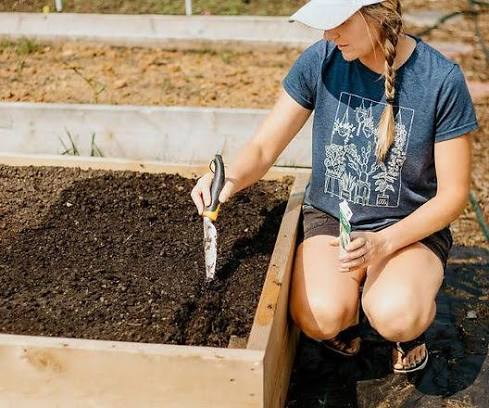
Struggling plants rarely fail because of bad luck. More often, the real issue lies a few inches underground. Whether you are dealing with sticky clay that bakes like brick in summer, pale sand that drains before roots can drink, or compacted builder’s subsoil left behind after construction, poor soil makes every other gardening task harder.
The good news is that almost any garden soil can be improved. You do not need to haul away your yard and replace it with bagged topsoil. Instead, lasting soil improvement comes from understanding what kind of soil you actually have, fixing its physical structure and biological life, and building it up steadily with organic matter.
Common Signs of Poor Garden Soil
Your plants and the ground itself will tell you when soil conditions are holding growth back:
-
Standing water after rain: Puddles that linger for hours—or days—indicate heavy clay, severe compaction, or a hardpan layer beneath the surface.
-
Rapid drying and wilting: Plants droop within a day of watering, even in mild weather, suggesting overly sandy or hydrophobic (water-repellent) soil.
-
Hard, cracked, or crusted surface: Soil that resists a spade or splits into deep cracks during dry spells lacks organic matter and structure.
-
Stunted growth and yellowing leaves: Pale foliage or weak flowering can signal compacted roots, nutrient deficiencies, or an unsuitable soil pH that locks up available nutrients.
-
Few earthworms or soil organisms: Healthy topsoil teems with earthworms, fungi, and microbes. Lifeless, pale dirt usually lacks organic matter.
Telling Soil Problems Apart
Because heavy clay, dry sand, and compacted soil can all cause stunted plants, match your observations to the table below before buying amendments:
Main Causes of Poor Garden Soil
-
Lack of organic matter: Topsoil naturally loses organic matter over time, especially in beds that are frequently dug, left bare, or stripped of fallen leaves. Without it, soil particles lose their crumbly structure.
-
Natural soil texture extremes: Geography dictates whether your native soil is mostly fine clay particles, coarse sand, silt, or alkaline chalk.
-
Compaction: Foot traffic, heavy lawnmowers, construction equipment, or digging when the ground is wet squeezes out the air pockets that plant roots and beneficial microbes need to survive.
-
Removed topsoil: Newer housing developments often strip away fertile topsoil during grading, leaving behind dense, nutrient-poor subsoil.
-
Unsuitable soil pH: Most garden vegetables and ornamentals thrive in slightly acidic to neutral soil (pH 6.0 to 7.0). In very acidic or highly alkaline soils, essential nutrients become chemically unavailable to roots.
How to Identify the Exact Cause
Before adding compost, lime, or fertilizer, run three simple checks:
1. The Squeeze Test (Soil Texture)
Grab a handful of moist (not soaking wet) soil and squeeze it firmly:
-
If it forms a smooth, sticky ball that holds its shape when poked, you have clay soil.
-
If it feels gritty and crumbles apart as soon as you open your hand, you have sandy soil.
-
If it holds together briefly and then crumbles easily with a gentle poke, you have loam—the ideal balanced texture.
2. The Percolation Test (Drainage)
Dig a hole about 30 cm (12 inches) wide and deep. Fill it with water and let it drain completely, then fill it a second time. If the water drains in less than 15 minutes, your soil is overly sandy; if water is still standing after 4 to 6 hours, drainage is poor.
3. A Soil Test (pH and Nutrients)
Home pH test kits give a rough reading, but a laboratory soil test is far more accurate. It tells you your exact pH, organic matter percentage, and nutrient levels so you never waste money—or harm your plants—by guessing with fertilizers or pH adjusters.
Step-by-Step Practical Solutions
1. Add Bulky Organic Matter (The Universal Fix)
Whether your soil is heavy clay or loose sand, well-rotted organic matter is the single most effective long-term improver. In clay, it pries apart dense particles to improve drainage and airflow; in sand, it acts like a sponge to hold moisture and nutrients.
-
What to use: Finished garden compost, well-rotted manure, leaf mould (decomposed autumn leaves), or composted bark.
-
How to apply: For new or compacted vegetable and flower beds, work 2.5 to 5 cm (1 to 2 inches) of finished compost into the top 15 to 20 cm (6 to 8 inches) of soil. In established beds, spread compost on the surface as a top-dressing and let earthworms pull it down.
2. Relieve Compaction Gently
If the soil is rock-hard, loosen it with a garden fork or broadfork when it is slightly moist—never when it is waterlogged or bone dry. Push the fork straight down, rock it gently back to crack the soil and admit air, and pull it out without flipping the soil layers upside down.
3. Adjust Soil pH Only If Needed
Never apply lime or sulfur blindly. Base any pH adjustment on a lab soil test:
-
To raise pH (too acidic): Apply agricultural limestone according to soil test recommendations.
-
To lower pH (too alkaline): Elemental sulfur can gradually lower pH in sandy or loamy soils, though it takes months and is rarely effective on heavy clay or chalky soils. In strongly alkaline or chalky ground, choosing alkaline-tolerant plants or growing acid-lovers in containers is far more practical.
Whenever using commercial soil amendments, fertilizers, or pH adjusters, follow label application rates strictly and check local guidance—over-applying phosphorus or nitrogen can leach into waterways and is restricted in some regions.
4. Apply a Protective Organic Mulch
Spread a 5 to 10 cm (2 to 4 inch) layer of organic mulch—such as shredded bark, wood chips, straw, or chopped leaves—over bare soil. Keep mulch pulled a few inches back from plant stems and tree trunks to prevent rot. As it breaks down, mulch continuously feeds the soil food web, moderates soil temperature, and prevents rain from crusting the surface.
5. Consider Raised Beds for Severe Sites
If your yard sits on heavy construction rubble, shallow chalk, or chronically waterlogged clay, building raised beds (at least 20 to 30 cm / 8 to 12 inches deep) filled with a balanced blend of quality topsoil and compost lets you bypass the worst ground immediately.
Common Mistakes to Avoid
-
Adding sand to clay soil: Mixing fine sand into heavy clay does not improve drainage—it creates a dense, concrete-like mixture. Use bulky organic matter instead.
-
Working wet clay soil: Digging, rotavating, or walking on wet clay destroys its structure and turns it into hard, airless clods that take seasons to fix.
-
Over-tilling: Repeated mechanical tilling chops up earthworm tunnels, breaks down soil structure, and brings buried weed seeds to the surface.
-
Using fresh, uncomposted manure: Raw manure is high in salts and ammonia that can burn plant roots and introduce pathogens. Always compost manure thoroughly before use.
-
Over-applying compost: More is not always better. Growing in pure compost or piling on deep layers year after year can cause excessive phosphorus and soluble salt buildup.
How to Prevent Soil From Degrading
Building great soil is an ongoing habit rather than a one-time project:
-
Keep the soil covered: Never leave beds bare over winter. Use mulch or sow cover crops (green manures) like crimson clover, winter rye, or field beans to hold soil in place and add organic matter.
-
Use dedicated paths: Design beds narrow enough (about 1.2 m / 4 feet wide) to reach the center without stepping on the planting area.
-
Rotate vegetable crops: Moving plant families to different beds each year prevents localized nutrient depletion and reduces soil-borne diseases.
-
Adapt to your regional climate:
-
USA and Canada: In cold-winter regions, autumn is the best time to add organic matter or rough-dig heavy clay so winter freeze-thaw cycles naturally shatter clods. In arid western states, thick organic mulch is essential to reduce evaporation and salt accumulation.
-
UK: With peat-free composts now standard, homemade garden compost, well-rotted manure, and leaf mould are especially valuable for improving heavy clay or shallow chalky soils.
-
Australia: Many Australian soils are naturally low in phosphorus (native plants are adapted to this and can be harmed by standard fertilizers) or prone to water repellency in sandy coastal zones. Adding clay-rich soil improvers, compost, and organic soil wetters—alongside thick mulch to shield roots from intense summer heat—makes a dramatic difference.
-
When Professional Gardening Advice May Be Needed
Most soil issues can be resolved with compost, mulch, and patience. However, seek professional testing or advice if:
-
You suspect soil contamination: Urban lots, older homes (pre-1978 paint), or former industrial sites may contain lead or other heavy metals. Always run a lab contamination test before growing edible crops in the ground.
-
Standing water threatens structures or entire yards: Persistent flooding may require French drains, regrading, or landscape engineering rather than simple soil amendments.
-
Plants fail across the entire garden despite good care: A comprehensive laboratory soil analysis can uncover hidden salinity, severe micronutrient lockouts, or drainage layers.
In the USA and Canada, university extension offices offer affordable, science-backed soil testing. In the UK, the Royal Horticultural Society (RHS) provides soil analysis services, and in Australia, state agricultural departments and accredited soil laboratories offer home-garden testing.
Frequently Asked Questions
How long does it take to improve poor garden soil?
You will often see better moisture retention and easier digging within a single growing season after adding compost and mulch. Transforming heavy clay or lifeless subsoil into rich, crumbly loam typically takes two to three years of consistent organic matter additions.
Does gypsum fix all clay soils?
No. Gypsum (calcium sulfate) only improves sodic clay soils—clays high in sodium. On non-sodic clay, gypsum has little effect. Test a small patch or run a soil test before applying it; bulky organic matter works reliably on all clay types.
Can I just put new topsoil on top of poor soil?
Spreading a thin layer of topsoil directly over compacted clay or subsoil without blending the transition zone can create a sharp boundary that roots struggle to cross and water struggles to drain through. Either fork the first few inches of new soil into the existing layer, or build a full raised bed.
Should I use chemical fertilizers to fix poor soil?
Synthetic fertilizers supply quick nutrients, but they do nothing to fix poor soil structure, drainage, or microbial life. Focus first on organic matter and soil pH; use targeted fertilizers only when a soil test shows a specific deficiency.
Moving Forward
Improving poor garden soil is less about fighting your land and more about feeding the living system inside it. Start by testing your soil’s texture and drainage, stop walking on wet beds, and commit to adding a modest layer of finished compost and organic mulch each year. Over just a few seasons, even stubborn clay or thirsty sand will turn into darker, looser, more resilient ground that supports healthy plants with far less effort.
Reliable Sources and Further Reading
-
Royal Horticultural Society (RHS) – Soil Types Explained and Clay Soils Advice for identifying soil textures, managing clay and chalk, and seasonal cultivation timing.
-
University of Minnesota Extension – Promote Healthy Soil in Your Garden for practical guidance on soil testing, incorporating compost, avoiding compaction, and crop rotation.
-
University of Minnesota Extension – Mulching for Soil and Garden Health for choosing and applying organic mulches to build long-term soil structure.
