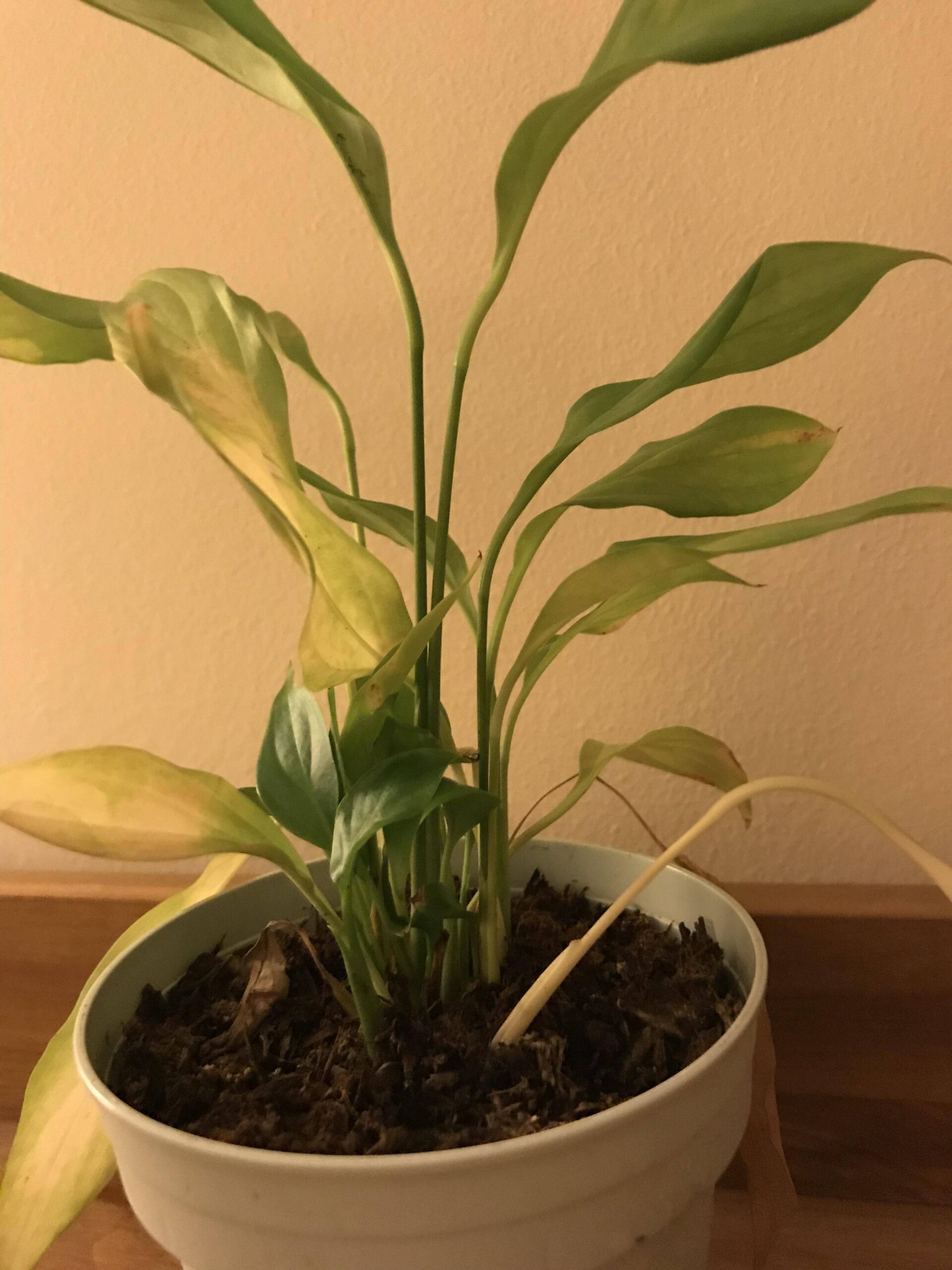
When a plant pushes out a fresh flush of foliage that stops expanding at half—or even a quarter—of the size of its older leaves, it is rationing limited resources during cell expansion. Leaf size is determined during a brief developmental window: first by cell division inside the emerging bud, and then by water-driven cell enlargement (turgor) as the leaf unfurls. If light energy, water pressure, root space, or essential nutrients fall short during that window, the cells lock into their mature walls prematurely, leaving the plant permanently stunted in its newest growth.
Because older leaves retain the size they achieved under previous conditions, comparing new growth against mature foliage gives you a clear timeline of when the plant’s environment or root health changed.
Diagnosing Stunted New Growth by Secondary Clues
Small new leaves rarely appear in isolation. Pair the size reduction with the color, shape, and growth spacing of the newest shoots to pinpoint the bottleneck.
| Secondary Clue on New Growth | Primary Cause | What to Inspect Next |
| Small, pale green leaves on long, thin stems | Insufficient light | Distance from windows, shading from nearby trees, or dirty grow-light lenses; check if stems are leaning toward light (etiolation). |
| Small, normal-green leaves; tight root mass | Root-bound container or compacted soil | Roots circling the drainage holes, water running straight through the pot, or hard, crusted garden clay. |
| Small, pale yellow leaves (chlorosis) | Nutrient deficiency (often nitrogen, iron, or zinc) | Soil pH (high pH locks out iron/zinc), depleted potting mix older than 12–18 months, or skipped fertilizing during active growth. |
| Small, curled, puckered, or twisted leaves | Sap-sucking pests or herbicide drift | Leaf undersides and bud crevices for aphids, thrips, broad mites, or spider mites; check if nearby lawns were recently sprayed. |
| Small leaves with dry tips; soil dries out daily | Chronic underwatering or hydrophobic soil | Root ball weight and whether water channels down pot edges without soaking the center. |
| Small, dark green leaves; woody stems stall | Seasonal dormancy or cool temperatures | Shortening autumn day lengths or night temperatures dropping below 13°C (55°F) for tropical species. |
Six Primary Reasons New Leaves Stay Small
1. Root Restriction and Soil Compaction
A plant’s canopy size is directly tied to the volume and health of its root system. In potted plants—such as Monstera deliciosa, fiddle-leaf figs (Ficus lyrata), and citrus—when roots fill the container and begin circling tightly, root tips produce stress hormones (notably abscisic acid) that throttle shoot and leaf expansion. Outdoors, heavy clay soil, construction compaction, or competition from aggressive tree roots produces the same physical constraint.
2. Reduced Light Intensity
Light provides the carbon building blocks required to construct large leaf blades. Plants moved further indoors, shaded by rapidly growing summer perennials, or grown through overcast winter months in northern regions (such as Canada, the UK, and the northern United States) routinely produce smaller leaves with longer stem internodes. Climbing aroids like pothos (Epipremnum aureum) and heartleaf philodendron (Philodendron hederaceum) also produce progressively smaller leaves when their vines trail downward away from light rather than climbing upward toward a bright canopy.
3. Nutrient Depletion or Soil pH Lockout
In container gardening, frequent watering leaches soluble nutrients out of the potting mix within a few months. Without adequate nitrogen to build proteins and chlorophyll, or calcium and boron to construct new cell walls, emerging leaves remain undersized. In alkaline soils (pH above 7.2)—common across parts of the western US, limestone regions of the UK, and southern Australia—iron, manganese, and zinc become chemically unavailable to roots, producing small, yellowed new leaves even when nutrients exist in the soil.
4. Chronic Moisture Deficit
Water pressure (turgor) is the physical force that stretches young plant cells before their rigid cellulose walls harden. If a plant experiences mild, repeated underwatering while new buds are unfurling—even if it never wilts dramatically—those cells harden in a compressed state. Overwatered plants suffering from partial root rot experience the exact same hydraulic shortage because damaged roots cannot deliver enough water upward to expand new foliage.
5. Microscopic Pests Feeding Inside Buds
Broad mites (Polyphagotarsonemus latus), cyclamen mites (Phytonemus pallidus), thrips, and aphids feed inside tightly folded apical buds before leaves even open. Their saliva injects toxins or mechanically scars developing cells, resulting in stunted, thickened, distorted, or leathery miniature leaves as the shoot elongates.
6. Natural Seasonal Slowdown
As daylight hours shorten in late summer and autumn across temperate climates, perennials, shrubs, and indoor tropicals naturally downshift growth. The final leaves produced before winter dormancy are often noticeably smaller than mid-spring foliage—a normal physiological transition rather than a disorder.
How to Restore Full-Sized New Growth
Existing miniature leaves will not expand once their cell walls have matured, so your goal is ensuring the next set of emerging buds develops under optimal conditions.
-
Check the root system first: Slide potted plants out of their containers. If roots form a dense, spiraling mat with little visible soil, move the plant into a pot 2.5 to 5 centimeters (1 to 2 inches) wider in diameter using fresh, well-aerated potting mix. Gently loosen circling outer roots before repotting.
-
Increase light exposure gradually: Move indoor plants closer to an unobstructed east- or south-facing window (north-facing in the Southern Hemisphere), or position a full-spectrum LED grow light 30 to 45 centimeters (12 to 18 inches) above the canopy for 12 to 14 hours daily. Outdoors, prune back overhanging branches shading sun-loving vegetables or shrubs.
-
Refresh nutrients and verify soil pH: During active spring and summer growth, feed container plants with a balanced fertilizer containing micronutrients (such as iron, magnesium, and zinc) at half the label strength every two to four weeks. For garden beds showing pale, stunted new growth, run a basic soil pH and nutrient test through your local agricultural extension or garden center before adding amendments.
-
Provide climbing support for vining plants: If climbing houseplants are producing smaller leaves on trailing stems, train the vines onto a damp moss pole or cedar plank. Aerial roots anchoring into a vertical surface trigger hormonal shifts that restore large, mature leaf forms.
-
Inspect growing tips with magnification: Check unfurling buds and leaf undersides with a 10x hand lens. If pests or fine stippling are present, treat the plant with an approved insecticidal soap or horticultural oil according to label instructions and local regulations.
Frequently Asked Questions
Will small leaves grow larger once I fix the plant’s light or fertilizer? No. Once a leaf finishes unfurling and its cell walls lignify and harden, its size is permanent. However, if you correct the underlying issue during the active growing season, the subsequent leaves emerging from the stem tips will return to normal size.
Why are my pothos or monstera leaves getting smaller and losing their splits? In nature, Monstera and Epipremnum climb tree trunks toward brighter forest canopy light. Indoors, when vines hang downward in lower light without aerial root support, the plant reverts to its juvenile growth form—producing smaller, unsplit leaves. Providing brighter indirect light and vertical support reverses this reversion.
Can over-fertilizing cause small new leaves? Yes. Excess fertilizer salts accumulate in the root zone and draw water away from fine root hairs through osmotic stress. This restricts water uptake during cell expansion, leading to stunted new leaves with brown, burned tips. Flushing the soil thoroughly with plain water removes excess salts.
Sources and Further Reading
-
University of Maryland Extension: Indoor Plant Care and Troubleshooting — https://extension.umd.edu/resource/caring-indoor-plants/
-
Royal Horticultural Society (RHS): Nutrient Deficiencies in Plants — https://www.rhs.org.uk/soil-composts-mulches/nutrient-deficiencies
-
University of Florida IFAS Extension: Cultural Guidelines for Commercial Production of Interiorscape Epipremnum (Pothos) — https://edis.ifas.ufl.edu/publication/EP146
-
Clemson Cooperative Extension Home & Garden Information Center: Repotting Houseplants (HGIC 1456) — https://hgic.clemson.edu/factsheet/repotting-houseplants/
