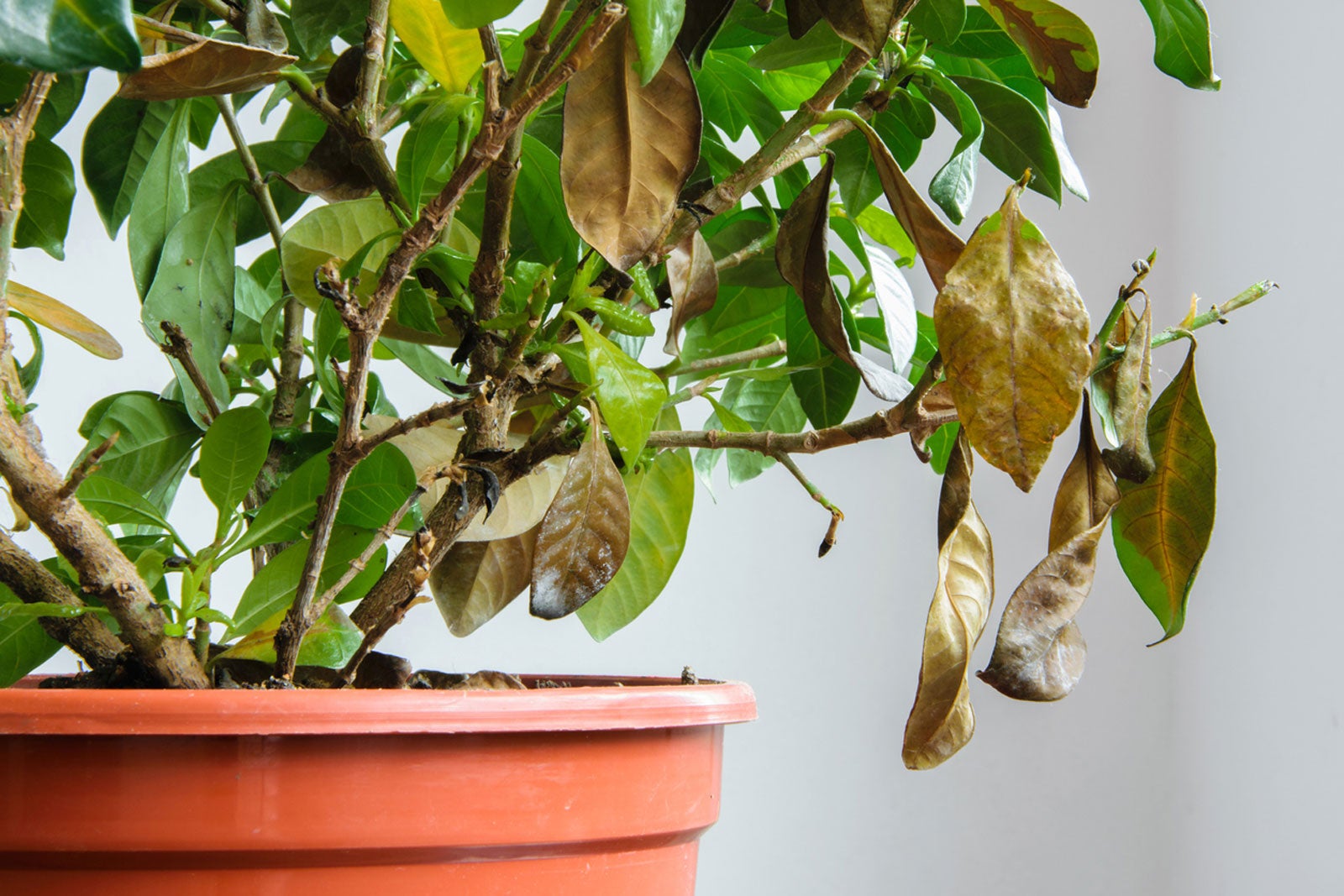
A dusty, white-to-gray film dusting the upper surfaces of zucchini, rose, phlox, or lilac leaves is almost always powdery mildew—a fungal disease caused by several host-specific genera in the order Erysiphales. Unlike most plant fungi that need standing water on leaves to infect, powdery mildew spores germinate readily in high humidity and moderate temperatures even when leaf surfaces remain completely dry. Left unchecked, the fungal mat blocks sunlight, drains carbohydrates from epidermal cells, twists new shoots, and causes premature leaf drop.
Before treating the plant, however, confirm that the white coating is actually powdery mildew rather than mineral residue, downy mildew, or a sap-feeding insect colony, as each requires a different response.
Confirming Powdery Mildew vs. Look-Alikes
Rub a small section of the white growth gently between your thumb and forefinger, and inspect both the upper and lower leaf surfaces closely.
Why Powdery Mildew Thrives in Warm, Crowded Gardens
Powdery mildew behaves differently from leaf-spot fungi such as Septoria or Alternaria. While splashing rain actually inhibits powdery mildew spore germination, stagnant air combined with warm days (20°C to 27°C / 68°F to 80°F) and cool, humid nights creates ideal conditions for rapid spread.
Several common garden conditions accelerate outbreaks:
-
Dense foliage and shade: Plants tucked into shady corners or crowded tightly together experience higher relative humidity around their leaves and receive less ultraviolet light, which naturally suppresses fungal growth.
-
Host specificity: The fungus infecting your squash or cucumbers (Podosphaera xanthii or Erysiphe cichoracearum) will not jump to your roses (Podosphaera pannosa) or lilacs (Erysiphe syringae), though multiple species often flare up simultaneously when seasonal weather turns humid.
-
Lush, nitrogen-heavy growth: Fast-growing, soft tissue produced by high-nitrogen synthetic fertilizers is far easier for fungal haustoria (feeding structures) to penetrate than toughened, slower-grown foliage.
Step-by-Step Control Strategy
For minor late-season infections on perennials such as lilacs, bee balm (Monarda), or peonies in late summer, cosmetic powdery mildew rarely threatens the plant’s long-term health and may not require spraying at all. When outbreaks hit vegetables, roses, or young shrubs early in the season, combine physical cleanup with targeted contact sprays.
1. Prune and Dispose of Heavily Infected Leaves
Remove the worst-affected lower and inner leaves using clean secateurs. Removing older, shaded foliage immediately reduces the spore load and opens the interior of the plant to sunlight and airflow. Sterilize blades with 70% isopropyl alcohol between plants, and place infected leaves in household rubbish rather than a cool home compost bin, where fungal overwintering structures (chasmothecia) can survive.
2. Improve Airflow and Watering Habits
Thin crowded stems or stake sprawling plants like squash, dahlias, and tomatoes off the soil. Water deeply at the base of the plant in the morning rather than late in the evening; evening watering spikes overnight humidity around the canopy right when temperatures drop.
3. Apply Contact Fungicides Thoroughly
Because powdery mildew grows primarily on the outer surface of the leaf rather than deep inside plant tissues, contact treatments work well—provided you coat both upper and lower leaf surfaces completely. Reapply every 7 to 10 days during humid weather or after heavy rain:
-
Potassium bicarbonate: Raises the pH on the leaf surface, dehydrating and collapsing fungal spores and mycelium on contact. Commercial horticultural potassium bicarbonate sprays are generally more reliable and less likely to burn foliage than homemade baking soda (sodium bicarbonate) mixes, which can accumulate sodium in soil over repeated uses.
-
Horticultural oils and neem oil: Narrow-range mineral oils and clarified hydrophobic extract of neem oil smother existing fungal colonies and prevent new spores from anchoring. Avoid applying oils when temperatures exceed 29°C (85°F), in direct midday sun, or on drought-stressed plants.
-
Wettable sulfur: An effective protectant fungicide for many ornamentals and vegetables, though it must never be applied within two to four weeks of an oil spray (the chemical combination causes severe leaf scorch) or on sulfur-sensitive crops such as apricots, certain cucurbits, and viburnums.
-
Biological fungicides (Bacillus subtilis or Bacillus amyloliquefaciens): Beneficial bacterial sprays colonize the leaf surface and outcompete powdery mildew spores, making them useful for edible crops right up to harvest.
Always verify that your chosen product is approved for your specific ornamental or edible plant in your region (EPA in the US, HSE in the UK, PMRA in Canada, or APVMA in Australia) and follow label directions for dilution and harvest intervals.
Preventing Future Outbreaks
Once autumn arrives in temperate zones across North America, the UK, and southern Australia, clear all fallen leaves and dead stems from around previously infected perennials, roses, and vegetable beds. Mulching bare soil in spring creates a barrier over any missed overwintering spores.
When replacing severely mildew-prone plants, look for cultivars bred specifically for resistance—such as ‘Powdery Mildew Resistant’ (PMR) squash and cucumber varieties, ‘Jacob Cline’ or ‘Marshall’s Delight’ bee balm, and ‘David’ garden phlox (Phlox paniculata). Planting resistant cultivars in full sun with generous spacing remains the most dependable long-term defense.
Frequently Asked Questions
Can I spray diluted milk on my plants to treat powdery mildew? Research conducted by agricultural institutions—including trials in Australia and the United States—has shown that weekly sprays of diluted milk (typically 1 part milk to 9 parts water) can suppress powdery mildew on cucurbits and ornamentals in bright sunlight, likely due to natural proteins and free radicals generated under UV exposure. However, milk sprays work best as a mild preventive measure rather than a cure for heavy infections, and they can leave an unpleasant odor or encourage harmless black mold growth on leaves in shady spots.
Does spraying plants with water help or hurt powdery mildew? A firm morning spray of plain water can physically wash spores off leaves and temporarily inhibit spore germination, provided the foliage dries quickly in sun and breeze. However, misting plants in the afternoon or evening keeps humidity high overnight and worsens the outbreak.
Should I throw away a houseplant that develops powdery mildew? No. On indoor plants such as African violets (Saintpaulia), begonias, or jade plants, isolate the pot immediately, wipe or prune off heavily coated leaves, increase air circulation with a small fan, and treat the foliage with a houseplant-approved potassium bicarbonate or insecticidal soap/oil spray.
Sources and Further Reading
-
University of California Statewide Integrated Pest Management Program (UC IPM): Powdery Mildew on Ornamentals — https://ipm.ucanr.edu/PMG/PESTNOTES/pn7493.html
-
Royal Horticultural Society (RHS): Powdery Mildews — https://www.rhs.org.uk/disease/powdery-mildews
-
Cornell University College of Agriculture and Life Sciences: Powdery Mildew of Cucurbits — https://www.vegetables.cornell.edu/pest-management/disease-factsheets/powdery-mildew-of-cucurbits/
-
Government of Western Australia, Department of Primary Industries and Regional Development (DPIRD): Powdery Mildew in Vegetables — https://www.agric.wa.gov.au/plant-biosecurity/powdery-mildew-vegetables
