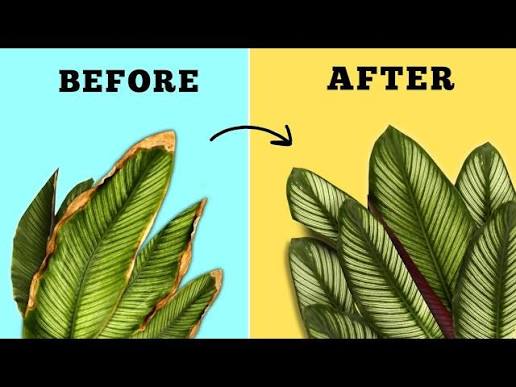
Few things make an otherwise healthy houseplant look tired faster than crisp, brown leaf tips. You can snip them off for a quick cosmetic fix, only to watch the browning creep back a few weeks later.
Brown leaf tips are not a disease on their own. They are a stress signal—a sign that water is not reaching the farthest edges of the foliage fast enough, or that dissolved minerals and salts are accumulating in the leaf tissue. Because several completely different care mistakes produce the exact same symptom, stopping brown tips starts with figuring out which bottleneck your plant is actually facing.
Common Signs and Symptoms
Look closely at the texture, color, and pattern of the browning. Those small details narrow down the cause immediately:
-
Dry, papery, tan-to-brown tips: Usually linked to low air humidity, underwatering, or sudden exposure to hot, dry air.
-
Brown tips with a yellow halo: Often points to mineral or fertilizer salt buildup, tap water sensitivity (fluoride or chlorine), or early fungal leaf spot.
-
Soft, dark brown or blackish tips: Typically a warning sign of overwatering, poorly draining soil, or cold drafts.
-
Browning along the entire leaf margin: Indicates prolonged drought stress, severe salt accumulation, or a root-bound pot that can no longer hold enough moisture.
-
White, crusty residue on the soil surface or pot rim: A classic visual clue of fertilizer or hard-water salt buildup in the potting mix.
Telling Similar Causes Apart
Before changing your routine, compare the symptoms side by side:
| Clue | Low Humidity or Underwatering | Overwatering or Root Stress | Water Quality or Salt Buildup |
| Tip texture | Dry, crispy, brittle | Soft, limp, dark brown or mushy | Dry brown tips, often with a thin yellow border |
| Soil condition | Bone dry, shrinking from pot edges | Constantly damp, heavy, or slow to dry | Normal moisture, sometimes with white crust on top |
| Affected leaves | Mostly oldest or outer leaves first | Both older and newer leaves | Noticeable on sensitive species (e.g., Dracaena, spider plants, Calathea) |
| Other signs | Curled or drooping leaves | Yellowing foliage, musty soil odor | Stunted growth despite regular watering |
Main Causes of Brown Leaf Tips
1. Low Indoor Humidity
Many popular houseplants—such as Calathea, peace lilies, ferns, and parlor palms—evolved in humid tropical understories. In heated or air-conditioned homes, indoor relative humidity often drops well below 40%. When the air is that dry, leaves lose water through transpiration faster than the roots can replace it, and the farthest points (the tips) desiccate first.
2. Inconsistent Watering (Too Little or Too Much)
Both extremes starve the leaf tips of water. Letting a plant dry out completely until it wilts damages fine feeder roots, while keeping the soil perpetually soggy suffocates roots and triggers root rot. Either way, damaged roots cannot pump moisture all the way to the leaf tips.
3. Tap Water Minerals and Chemicals
Certain houseplants are highly sensitive to fluoride, chlorine, or dissolved salts in municipal tap water. Spider plants (Chlorophytum comosum), Dracaena species, peace lilies (Spathiphyllum), and prayer plants (Maranta and Calathea) are especially prone to tip burn from fluoridated or hard water.
4. Fertilizer and Salt Buildup
Over-fertilizing—or watering lightly without letting excess water drain out the bottom—causes soluble salts to accumulate in the potting mix. High salt levels draw moisture out of the roots (a form of chemical burn), leading directly to brown tips and margins.
5. Temperature Stress and Drafts
Placing tropical foliage next to radiators, heating vents, air-conditioning units, or drafty winter windows exposes leaves to rapid drying and temperature swings that scorch delicate tips.
6. Root-Bound Containers
When a plant’s roots completely fill the pot, there is very little potting mix left to hold water. The plant dries out within days of watering, creating a cycle of mini-droughts that shows up as crispy tips.
How to Identify the Exact Cause
Run through this quick diagnostic checklist before making changes:
-
Check the soil depth: Push a finger 1 to 2 inches (2.5 to 5 cm) into the potting mix. Is it bone dry, evenly damp, or waterlogged?
-
Inspect the roots: Gently slide the plant out of its pot. Firm, white or light-tan roots indicate a healthy system; dark, mushy roots mean overwatering; tightly spiraled roots with almost no soil mean it is root-bound.
-
Review your plant species: If only your spider plant, Dracaena, or Calathea has brown tips while your pothos and snake plant look fine, tap water quality or humidity is the prime suspect.
-
Look at the immediate environment: Check for nearby heating vents, radiators, direct midday sun through glass, or white mineral crusts on the soil surface.
Step-by-Step Practical Solutions
Once a leaf tip turns brown, it will not turn green again. Your goal is to stop the browning from spreading and ensure new leaves emerge clean.
1. Fix Your Watering Technique
Water thoroughly until water runs freely from the drainage holes, then empty the saucer after 15 to 20 minutes so the pot never sits in standing water. Check soil moisture before watering again rather than following a fixed calendar schedule.
2. Flush Out Built-Up Salts
If you suspect fertilizer or hard-water salt buildup, carry the plant to a sink or shower and slowly pour lukewarm water through the potting mix for several minutes—roughly two to three times the volume of the pot—allowing it to drain completely. This leaches excess salts out of the root zone.
3. Switch Water Sources for Sensitive Plants
For fluoride- or mineral-sensitive species, switch to collected rainwater, distilled water, or reverse-osmosis water. Note that letting tap water sit out overnight allows chlorine to dissipate, but it does not remove fluoride or chloramine.
4. Raise Humidity Effectively
If dry air is the culprit, group humidity-loving plants together, move them to a naturally brighter bathroom or kitchen, or run a small room humidifier nearby. A wide tray filled with pebbles and water—keeping the pot base above the waterline—can also provide a modest local boost.
5. Repot If Root-Bound or Soil Is Degraded
If roots are tightly packed or the potting mix has compacted into a dense brick, repot into a container 1 to 2 inches (2.5 to 5 cm) wider using fresh, well-aerated potting mix.
6. Trim Brown Tips Cleanly (Optional)
If the brown tips bother you aesthetically, snip them off with clean, sharp scissors, following the natural pointed shape of the leaf. Leave a sliver of brown tissue at the cut edge rather than cutting into healthy green tissue, which can trigger a fresh brown margin.
Common Mistakes to Avoid
-
Relying on occasional misting: Misting leaves once a day raises humidity for only a few minutes and can encourage fungal leaf spots if water sits on foliage in cool, stagnant air.
-
Using softened tap water: Household water softeners replace calcium and magnesium with sodium, which builds up in potting soil and quickly burns houseplant roots and leaf tips.
-
Fertilizing to “heal” brown tips: Adding fertilizer to a stressed plant worsens salt buildup and accelerates tip burn. Pause feeding until the plant is healthy and actively growing.
-
Applying unnecessary fungicides: Most brown leaf tips are environmental, not fungal. Spraying fungicides will not fix dry air, tap water sensitivity, or watering issues.
How to Prevent Brown Leaf Tips
Long-term prevention is about matching your care routine to your home’s seasonal conditions:
-
USA and Canada: Forced-air winter heating drops indoor humidity sharply from November through March. Move tropical plants away from heating vents, run a humidifier in dry rooms, and cut back on fertilizer during dark winter months.
-
UK: Many areas of southern and eastern England have very hard tap water, which accelerates mineral buildup. Collecting rainwater in a water butt is one of the easiest ways to prevent tip burn on sensitive foliage. Also remember that modern UK peat-free composts often look dry on top while staying moist underneath—check deeper before watering.
-
Australia: Hot, dry summer winds and reverse-cycle air conditioning can desiccate indoor foliage rapidly. Keep humidity-loving plants away from AC outlets and harsh afternoon sun through north- or west-facing windows, and remember that winter dormancy falls between June and August.
-
Feed lightly: During spring and summer, dilute liquid houseplant fertilizer to half the recommended label strength and flush the soil with plain water every few months to prevent salt accumulation.
When Professional Gardening Advice May Be Needed
Environmental tip browning is straightforward to manage at home. However, consult a local nursery, horticulturalist, or extension service if:
-
Browning appears as scattered spots with dark centers or concentric rings in the middle of leaves rather than just the tips, which may indicate a fungal or bacterial leaf spot disease.
-
Symptoms spread rapidly across multiple unrelated species despite correcting watering, humidity, and light.
If a fungal disease is confirmed and a chemical treatment is genuinely warranted, choose only a product registered for indoor ornamental plants in your region (EPA-registered in the USA, HSE-approved in the UK, PMRA-registered in Canada, or APVMA-registered in Australia) and follow all label directions strictly.
Frequently Asked Questions
Will brown leaf tips ever turn green again?
No. Once leaf tissue dies and turns brown, it cannot recover. Correcting the underlying cause will stop the browning from progressing further down the leaf and keep new growth healthy.
Does letting tap water sit out overnight stop brown tips?
Only partially. Leaving tap water in an open container for 24 hours allows chlorine gas to evaporate, but it will not remove chloramine, fluoride, or dissolved hard-water minerals. For sensitive plants like spider plants or Calathea, rainwater or distilled water is far more reliable.
Should I cut off the entire leaf if only the tip is brown?
No. As long as most of the leaf is still green, it is actively photosynthesizing and feeding the plant. Only remove the entire leaf if more than half of it has yellowed or died.
Why do my plants only get brown tips in winter?
Winter combines two major triggers: indoor heating strips moisture from the air, while shorter days slow plant growth and water uptake. Plants end up dealing with dry air above the soil and slower-drying (sometimes overly wet) soil around their roots.
Moving Forward
Stopping brown leaf tips rarely requires expensive products or complicated fixes. Start by checking the roots and soil moisture, then look closely at your water source and room humidity. Once you match your watering rhythm to the season and give sensitive plants cleaner water and steadier moisture, new leaves will unfurl crisp, green, and blemish-free.
Reliable Sources and Further Reading
-
Clemson Cooperative Extension (HGIC) – Houseplant Diseases & Disorders for detailed diagnostics on salt buildup, tap water sensitivity, and cultural vs. fungal leaf problems.
-
Royal Horticultural Society (RHS) – Leaf Damage on Houseplants and How to Help a Poorly Houseplant for practical UK-focused guidance on humidity, hard water, and seasonal care.
-
Missouri Botanical Garden – How to Water Indoor Plants for advice on watering techniques and rainwater use for sensitive houseplants.
