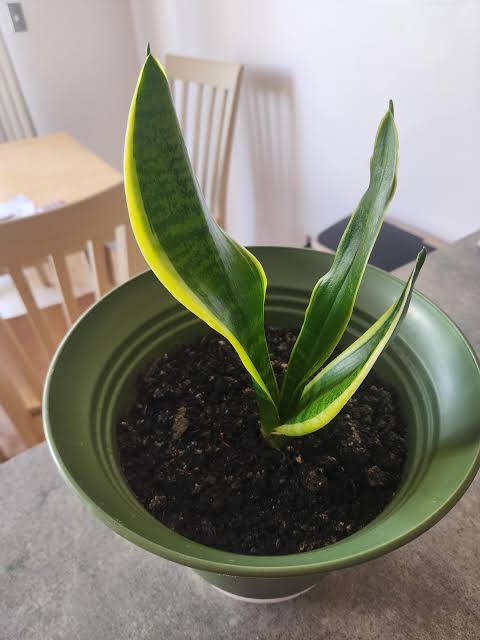
Snake plants (Dracaena trifasciata, formerly Sansevieria trifasciata) have a well-earned reputation for being nearly indestructible. Yet that toughness creates a common puzzle for indoor gardeners: your plant looks perfectly green and upright, but months pass without a single new leaf or offshoot.
Before assuming something is wrong, remember that snake plants are naturally slow growers. Even in ideal indoor conditions, they do not put on the rapid growth you might see from a pothos or spider plant. Still, if an entire spring and summer go by with zero new leaves—or if the plant is actively declining—an environmental bottleneck is almost certainly holding it back.
Common Signs of Stalled Growth
A snake plant that is simply resting looks very different from one that is struggling. Watch for these clues:
- No new pups (offsets): Healthy, active snake plants send up new shoots from their underground rhizomes (thick, horizontal root-like stems) during warmer months.
- Fading variegation: Yellow-edged cultivars like ‘Laurentii’ or silvery varieties like ‘Moonshine’ turn solid, dull green when they are not getting enough light.
- Tall, floppy, or narrow leaves: New growth that looks thin, pale, or leans outward instead of standing stiffly upright points to light deprivation.
- Wrinkled or curling leaves: Vertical creases or inward curling indicate the plant is drawing down its internal water reserves.
- Soft, mushy leaf bases: Yellowing or soft tissue near the soil line signals root rot rather than simple dormancy.
- Broken leaf tips: If the sharp tip of a leaf snaps off, that individual leaf will stop growing taller permanently, even if the rest of the plant is healthy.
Normal Dormancy vs. Stunted Growth
It is easy to confuse seasonal rest with a care problem. Use this quick comparison to tell them apart:
Main Causes of a Snake Plant Not Growing
1. Not Enough Light
This is the number one reason a healthy snake plant sits frozen in time. Snake plants are widely marketed as “low-light plants,” which is only half true. They tolerate dim corners without dying, but they need bright, indirect light to photosynthesize enough energy to produce new leaves. In a dark hallway or windowless office, a snake plant essentially goes into survival mode.
2. Seasonal Dormancy and Cool Temperatures
Native to tropical western and central Africa, snake plants grow best between 15°C and 24°C (60°F–75°F). When daylight hours shrink and indoor temperatures drop below 15°C (60°F), growth naturally pauses. Temperatures below 10°C (50°F) can damage the foliage.
3. Overwatering and Hidden Root Rot
Because snake plants store water in their thick, succulent leaves, they cannot handle constantly wet roots. Overwatering suffocates the root system and triggers root rot. A plant fighting off decaying roots has no energy left to push out new foliage.
4. Pot Size Extremes
Snake plants prefer a snug fit, which often encourages them to produce pups. However, both extremes can stall top growth:
- Pot is too large: If you repot into a container that is several sizes too big, the plant spends months growing roots to fill the space, and the excess soil stays wet too long.
- Severely root-bound: If thick rhizomes have completely packed the pot, pushed out the soil, or begun cracking a plastic container, the plant simply runs out of room and nutrients to expand.
5. Exhausted Soil or Nutrient Deficiency
Snake plants are light feeders, so they rarely need heavy fertilizing. However, if a plant has been sitting in the same potting mix for three to five years, the soil breaks down, compacts, and loses its remaining nutrients.
6. Cultivar and Species Differences
Not all snake plants grow at the same pace or to the same height. Bird’s nest varieties (Dracaena trifasciata ‘Hahnii’) stay compact and rosette-shaped, while ‘Whale Fin’ (Dracaena masoniana) often produces just one or two massive paddle-shaped leaves at a time. Variegated types also grow more slowly than solid-green ones because their yellow or white stripes contain less chlorophyll.
How to Identify the Exact Cause
Work through these four quick checks before making changes:
- Check the calendar: If it is late autumn or winter in your region, stalled growth is completely normal.
- Assess the light: Stand where your plant sits at midday. Can you see a clear patch of sky through a window? If the spot is several metres (10+ feet) from a window with no direct sky view, light is almost certainly the bottleneck.
- Inspect the soil and roots: Push a finger 2 inches (5 cm) into the potting mix. If it is still wet two weeks after watering, drainage or light is inadequate. Gently slide the root ball out of the pot to check whether the roots are firm and orange-tan (healthy), brown and mushy (rotted), or tightly spiraled with almost no soil left (severely root-bound).
- Look closely for pests: Check the tight crevices at the base of the leaves for white, cottony clumps (mealybugs) or fine webbing (spider mites), both of which can sap a plant’s energy.
Step-by-Step Practical Solutions
1. Move the Plant to Brighter Light
Shift your snake plant closer to an east- or west-facing window, or a few feet back from a bright south-facing window (north-facing in Australia). If moving a plant from a very dim room into a sunny spot, acclimate it gradually over a week or two so the leaves do not scorch.
2. Reset Your Watering Routine
Water thoroughly until water runs out the drainage holes, empty the saucer, and then let the potting mix dry out almost completely before watering again. During active spring and summer growth, this usually means watering every 2 to 4 weeks; in winter, stretch it to every 4 to 6 weeks or longer. Always pour water onto the soil, never directly into the center of the leaf rosette, where trapped moisture can cause crown rot.
3. Refresh the Soil or Repot Properly
Only repot if the plant is bursting out of its container, the soil has compacted, or you found root rot.
- Choose a sturdy pot—unglazed terracotta is ideal because it breathes and provides weight to keep tall leaves from tipping over.
- Go up only 1 to 2 inches (2.5 to 5 cm) in diameter.
- Use a free-draining cactus and succulent potting mix, or blend standard houseplant mix with coarse perlite or horticultural grit.
4. Feed Lightly During the Growing Season
If your plant has not been repotted in over a year, apply a balanced liquid houseplant fertilizer diluted to half strength once a month during spring and summer. Do not fertilize in autumn or winter, and never feed a plant that has root rot or bone-dry soil.
5. Address Pests Safely If Present
If you spot mealybugs or spider mites, wipe them off with a damp cloth or a cotton swab dipped in rubbing alcohol. For heavier infestations, an insecticidal soap or horticultural oil may help. Always choose a product registered for indoor ornamental plants in your country (EPA-registered in the USA, HSE-approved in the UK, PMRA-registered in Canada, or APVMA-registered in Australia) and follow the label directions strictly.
Common Mistakes to Avoid
- Fertilizing to “force” growth in low light: Fertilizer is not plant food—light is. Adding fertilizer to a plant sitting in a dark corner will not trigger new leaves and can burn the roots with excess salts.
- Misting the leaves: Snake plants prefer low to moderate humidity. Misting does not help them grow and can encourage fungal spots or rot in the leaf axils.
- Using garden soil: Outdoor soil is too dense for indoor pots, drains poorly, and can introduce pests.
- Repotting in the middle of winter: Unless you are treating active root rot, wait until spring when the plant is ready to resume active growth.
How to Prevent Stalled Growth
Consistent, season-aware care keeps a snake plant steadily producing new shoots year after year.
- Match care to your regional climate:
-
-
USA and Canada: Short, dark winter days and cold drafts from poorly insulated windowsills can halt growth from October through March. Move plants a short distance back from freezing glass and cut watering back sharply.
-
UK: Peat-free cactus and houseplant composts are now standard across the UK. Because peat-free blends often dry on the surface while staying damp underneath, lift the pot to judge its weight before watering.
-
Australia: Remember that dormancy falls between May and August. In hot, bright regions, avoid placing snake plants directly against harsh west- or north-facing glass in summer without sheer curtains, as sudden heat stress can stall growth.
-
- Dust the leaves periodically: A thick layer of household dust blocks light from reaching the leaf surface. Wipe leaves gently with a damp cloth every month or two.
- Rotate the pot: Give the container a quarter-turn every few weeks so all sides receive even light and the leaves grow straight.
When Professional Gardening Advice May Be Needed
Most snake plant growth issues are straightforward to fix at home. However, reach out to a local nursery, horticulturalist, or extension service if:
- Unexplained leaf lesions or sunken spots spread rapidly across firm leaves, which may indicate a fungal or bacterial leaf spot disease.
- Persistent pest infestations return after repeated cleaning and treatment.
- You have a rare or mature specimen that is declining despite correcting light, drainage, and watering.
Gardeners in the USA and Canada can contact their local Master Gardener helpline or university extension office. In the UK, the Royal Horticultural Society (RHS) offers member advisory services, and in Australia, specialist indoor nurseries and state botanic gardens provide reliable local guidance.
Frequently Asked Questions
How fast should a healthy snake plant grow?
In bright, indirect light during spring and summer, a healthy snake plant typically produces 2 to 4 new leaves or pups per growing season. Growth is noticeably slower in low light and pauses almost entirely in winter.
Why did my snake plant leaf stop growing after the tip broke?
Snake plant leaves grow from the tip and base, and the sharp point at the top is essential for vertical elongation. If that tip snaps off or dries out, that specific leaf will not grow any taller. Leave it alone if it is still green—it will continue to photosynthesize and support new shoots emerging from the soil.
Can I put my snake plant outside in summer to boost growth?
Yes. Moving a snake plant outdoors to a warm, sheltered spot with bright shade or gentle morning sun during summer often triggers a burst of new growth. Acclimate it slowly over a week to prevent sunburn, protect it from heavy rain, and bring it back indoors well before night temperatures drop near 10°C (50°F).
Should I separate the pups to help the main plant grow?
You do not have to. Snake plants look fuller and grow well in clumps. Only divide offsets when the pot becomes tightly overcrowded or when you want to propagate a new plant.
Moving Forward
When a snake plant stops growing, it is rarely a sign of a complicated disease. In most homes, it is simply a quiet signal that the plant needs more light, warmer temperatures, or a better balance of water and airflow around its roots. Move it closer to a bright window, let the soil dry thoroughly between waterings, and give it time—once the growing season arrives, those sturdy new shoots will start emerging again.
Reliable Sources and Further Reading
- Missouri Botanical Garden – Dracaena trifasciata Plant Finder Profile for botanical background, cultural requirements, and common problems.
- Royal Horticultural Society (RHS) – How to Grow Sansevierias for UK-focused advice on peat-free composts, temperature limits, and cultivar differences.
- Clemson Cooperative Extension (HGIC) – Exciting Houseplant Selections for Beginners and Indoor Plants – Watering for watering schedules, window orientation, and root health.
- University of Minnesota Extension – Lighting for Indoor Plants for understanding how indoor light levels affect houseplant growth rates.
